The Cultural Tapestry: Exploring Religion and Identity in Manipuri Dance

Dr. Rinki Mahato, Assistant Professor, Department of Performing Arts, Kiss Deemed to be University, Bhubaneswar & Mr. Sunil Mahanand, Assistant Professor, Department of Performing Arts, Kiss Deemed to be University, Bhubaneswar Abstract: “The Cultural Tapestry: Exploring Religion and Identity in Manipuri Dance” delves into the intricate interplay of religion and identity within the traditional art form of Manipuri dance. This abstract examines how Manipuri dance serves as a reflection of the rich cultural heritage and spiritual beliefs of the Manipuri people, particularly about Hinduism and Vaishnavism. Through an exploration of key themes, symbols, and rituals depicted in Manipuri dance performances, this study illuminates the nuanced ways in which religion shapes the identity and artistic expression of practitioners. By analysing the historical and contemporary significance of Manipuri dance, this abstract underscores its role as a dynamic cultural phenomenon that continues to evolve amidst changing socio-religious landscapes. Title: The Cultural Tapestry: Exploring Religion and Identity in Manipuri Read More …

Ajantrik (1958 ) and its Unconventional Background Music by Sarod Maestro Ali Akbar Khan

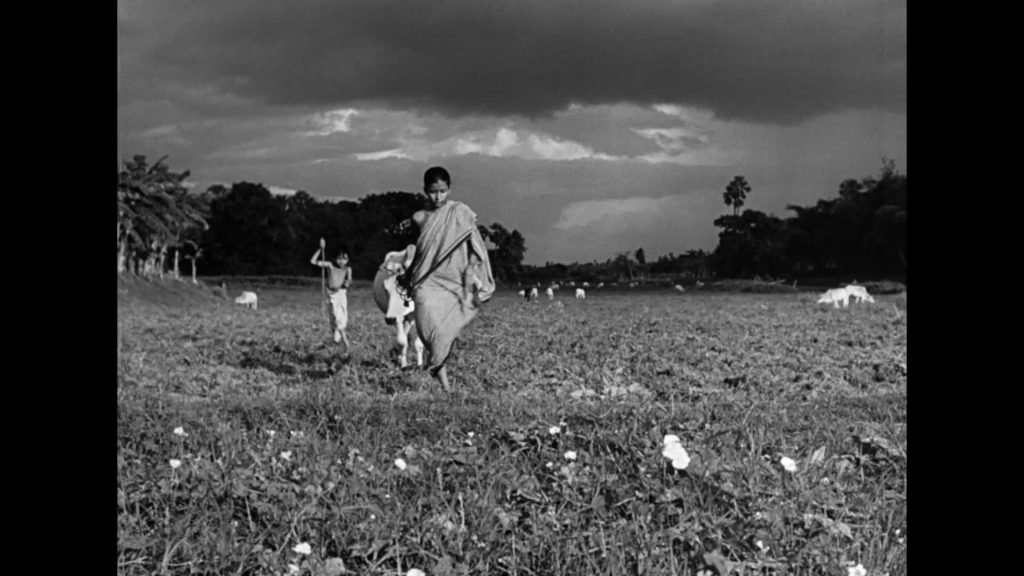
Dr. Sukanya Sarkar Abstract Ajantrik is a film of Ritwik Ghatak based on a short story by Subodh Ghosh. It was released in 1958. The film revolves around the life of a driver Bimal who lives in the Chhotonagpur region. The narrative focuses on the relationship of Bimal with his old car Chevrolet Jalopy of 1920. The film vividly depicts the landscape of the plateau area of Hazaribagh, the folk culture, and rituals of the Jharkhand region. The music of the film is composed by Ali Akbar Khan. Like Ghatak’s other films, Ajantrik is also enriched with natural sound effects of machinery, folk musical instruments and a few pieces of folk songs along with folk dance form by the original inhabitants of the Chhotonagpur region. Ali Akbar Khan wonderfully designed the musical pieces which match with another soundtrack. The subject of the film is very interesting as it deals with an inconsistency of human nature. Read More …

Continuity of Bhakti movement

Dr. Srabani Sen, Associate Professor, Tarakeswar Degree College Bhakti is a Sanskrit word that means ‘devotion’. The Bhakti movement was a medieval Indian religious and social reform movement that emphasized devotion and spiritual connection with the divine. It aimed to reform society by removing the boundaries of caste, creed and gender between the devotee and God. The Bhakti movement was started with the idea that the best way to reach God is not via rituals or religious rites but through love and worship. The movement was based on religious equality and broad-based social participation. ভক্তি আন্দোলনের ধারা, ড.শ্রাবণীসেন, আ্যসোসিয়েট প্রফেসর,সঙ্গীত বিভাগ,তারকেশ্বর ডিগ্রি কলেজ,তারকেশ্বর,হুগলী ভারতীয় জীবনধারার সাথে ধর্মের সংযোগ অবিচ্ছেদ্য। ভারতের সুলতানি যুগে হিন্দু ধর্মের যাগযজ্ঞ, ধর্মীয় আরম্বর, সমাজের অস্পৃশ্যতা ও জাতিভেদ প্রথার বিরুদ্ধে যে উদার ধর্মীয় আন্দোলন গড়ে উঠেছিল তা ‘ভক্তিবাদী আন্দোলন’ নামে পরিচিত। সময়ের অগ্রগতির সঙ্গে সঙ্গে ভারতের সমাজব্যবস্থায় যে রূপান্তর ঘটেছে, তার মূলে আছে ধর্মভাবনার পরিবর্তন। বৈদিক ব্রাহ্মণ্যধর্মের বিরুদ্ধ প্রতিক্রিয়া স্বরূপ জন্ম নিয়েছে Read More …

Preventive Use of Instrumental Music for Wellness

Sayanta Ganguly, Research Scholar, Sister Nivedita University, Kolkata West Bengal Abstract: This study delves into the multifaceted benefits of incorporating instrumental music as a preventive measure for overall health and well-being. Music has long been recognized for its therapeutic properties, but this research focuses specifically on the preventive aspects of instrumental compositions. Through a comprehensive review of existing literature and empirical studies, we examine how instrumental music, devoid of lyrics, can positively influence various aspects of mental, emotional, and physical health. From stress reduction and anxiety alleviation to cognitive enhancement and immune system support, the preventive potential of instrumental music is explored across diverse demographic groups. The study also investigates the integration of instrumental music into daily routines, highlighting its role in fostering relaxation and promoting preventive mental health practices. Findings from this research contribute to the growing body of knowledge on the preventive applications of instrumental music, offering insights that can inform lifestyle interventions Read More …

Charulata: from the Language of Literature to the Language of Film

Dr. Pratiti Pramanik Dey Abstract: “Charulata,” directed by the legendary Satyajit Ray in 1964, stands as a cinematic rendition of Rabindranath Tagore’s 1901 story ‘Nashtaneed.’ The film, produced by RD Bansal, features remarkable performances by Soumitra Chatterjee, Madhabi Mukherjee, Shailen Mukherjee, Shyamal Ghoshal, Geetali Roy, and others, with Satyajit Ray himself handling the music direction. Released on 17th April 1964, the film unfolds the poignant tale of Charulata, brilliantly portrayed by Madhabi Mukherjee, alongside Soumitra Chatterjee as Amal and Shailen Mukhopadhyay as Bhupati. The adaptation from literature to film inevitably brings forth modifications, as seen in Ray’s interpretation of Charu’s loneliness. Rabindranath’s detailed literary descriptions find condensed yet visually potent expression in the film. Charu’s coping mechanisms, such as observing the street through an opera-glass and swinging, differ from the original story but effectively convey her solitude. The film masterfully explores Charu’s emotions, a task that Rabindranath handled through language, using inventive visual scenes and Read More …

Application of Folk Music as portrayed in Satyajit Ray’s Apu Trilogy and Sonar Kella

Dr. Sukanya Sarker, Ph.D. , Rabindra Bharati University, Senior Fellow of CCRT, Former Junior Fellow of CCRT (2014-2015) Abstract  In India, folk music plays a very important role in theatre, drama and films. Folk music and culture are the soul of rural India as well as of Indian culture. Cinema is a universal medium which can convey messages to all walks of life. The music of Pather Panchali (based on a famous Bengali novel by Bibhutibhushan Bandyopadhyay) by Ravi Shankar has an everlasting effect on viewers across boundaries. The music appears to be very simple. But beneath the simple application, there is a deep mystic quality in folk music.   In   Sonar Kella folk music portrayed beautifully Rajasthan’s colourful social life.  Shankar used different types of folk music and surrounding sounds to portray Bengal’s rural life. The struggle of an octogenarian widow has been depicted through the lyrics of a folksong in her voice.   Different folk tunes Read More …

‘BIHU’: AN UNTOLD STORY

DR. LOPAMUDRA CHAKRABORTY CHATTERJEE, MUSIC DEPARTMENT, MEMARI COLLEGE, BURDWANchakrabortylopamudra8@gmail.com Abstract:All Assamese speak the Assamese language. This language is understandable to all. But despitethe differences in the regional languages among the different tribes of Assam, the officiallanguage and the common Assamese language are the only authentic ones. Those who came andlived in Assam before and after independence have also adopted this language. Generally, we saythat those who speak the Assamese language are usually Assamese. But different tribes and clanslive in Assam and their socio-culture is also different. The present report of the North-Easternregion of West Bengal traces the diverse lifestyles and cultures of the indigenous and backwardtribes of the states of Assam – Ahom, Bodo, Rava, Varahi, Sutia, Maran, Jamie Naga, Kuki etc. Inorder to find that diverse culture, one must first know about the people of Assam. The worldunderstands to be the culture of Assam is ‘Bihu’, also known as the ‘National Festival’ of Assam. Read More …

Women’s Brata : Rituals in Bengali Folk Culture

Dr. Srabani Sen, Associate Professor, Department of Music, Tarakeswar Degree College e-mail-srabanisn1@gmail.com  Mobile no- 6290242709 Brata is an age-old religious ritual practiced by women of West Bengal. Bratakhatas have an intricate relationship with the worship of gods and goddesses in the community life of the Bengali people. Bratas act to maintain traditional Hindu values but also emphasize the power of women. Bratas are performed to gain such goals as a healthy family, a good husband, and a happy life. Bratinis is also performed so that the performers develop such virtues as devotion, humility, and compassion. Brata is celebrated through special rituals. There is a story in every Brata of Bengal. লোকসংস্কৃতির আঙিনায় বাংলার মেয়েলি ব্রত বাংলার সংস্কৃতিতে ছড়িয়ে আছে হাজারো মেয়েলি ব্রতানুষ্ঠান, উৎসব-পার্বন আর মেলা। মানুষের মনের কাম্যবস্তু বা কর্মের সাদৃশ্যে আচার-অনুষ্ঠান মনের মনস্কামনা পূর্ণ করে – এই বিশ্বাস থেকেই ব্রতের জন্ম। ব্রত হল দেবতাদের কাছে সমবেতভাবে কামনা-বাসনা নিবেদন করার প্রকাশ্য অনুষ্ঠান। কামনা-বাসনা চরিতার্থ করার Read More …

Music & Cinema : A Tool of Communication

MUSIC AND CINEMA – A TOOL OF COMMUNICATION Sayantika Ghosh State Aided College Teacher Department of Journalism And Mass-Communication Gobardanga Hindu College Contact no. 9804395853 Email-mimisayantika@gmail.com Abstract – As a means of expression, film serves as an instinctual recorder, preserving and producing valuable perceptible goggle. Both music and film are reliant on one another. Music, considered to be the oldest form of art, contributes to the cultural development of cinema. The success and use of music in film are the key topics of this essay. The way the note is changed can have a significant impact on the population. This paper will also discuss the disparate types of Indian music, such as the traditional ragas and the mainstream music that permeates Bollywood. The Indian culture is similar to the thread of music that runs from the spiritual realm to contemporary western culture. The first sound motion picture produced between 1931 and 1940, and in the Read More …

‘Parisodh’ and Dance Drama ‘Shyama’: The Poet’s Intentions in the Duel of Transformation

Priyanka Bhattacharjee, WhatsApp +918274925150, Phone number +8801831545775, Email: priyanka1995.bd@gmail.com Sound signal, Transformation, choreography, dramaturgy, dramatic compositions, metamorphosis Abstract : “Parisodh” and “Shyama” are two distinct dramatic compositions that showcase the poetic intentions of their creators through the expressive mediums of song and dance. In both instances, the core theme revolves around the profound concept of transformation, emphasizing the multifaceted nature of human existence. In the context of “Parisodh,” the drama unfolds through a compelling interplay of music and narrative, with a central focus on the poet’s intentions. The use of songs within the drama serves as a powerful tool to convey the emotional depth and complexity of the characters’ journey towards transformation. Through the medium of song, the characters in “Parisodh” engage in a duel, not just physically but also ideologically, as they grapple with inner conflicts and external challenges. The abstract nature of the drama allows the audience to delve into the nuances of Read More …