ডক্টর প্রভা আত্রের ঠুম্‌রী শৈলী : একটি  সমালোচনামূলক পর্যালোচনা

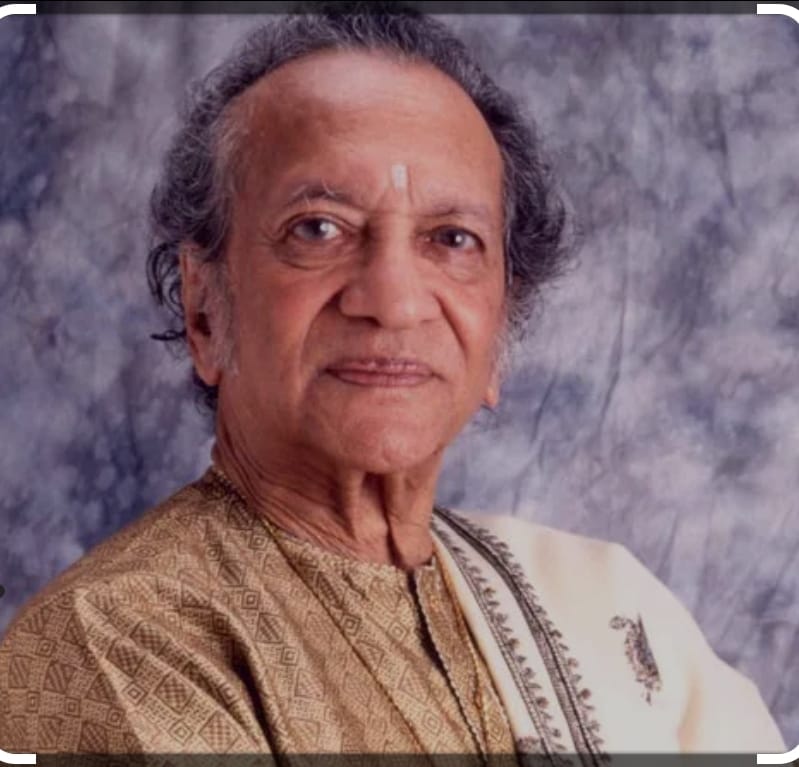
Tanmoy Majumder, Assistant Professor, Raja Narendra LalKhan women’s College (Autonomous) and Research Scholar Visva Bharti, Sangeet Bhavan   Abstract Thumri is a type of emotion-driven, light classical music from Uttar Pradesh, characterised by its romantic and erotic (shringar) essence. This musical genre is deeply intertwined with the name of Nawab Wajid Ali Shah (13/07/1822 – 21/09/1887), a ruler and artist from Ayodhya, Uttar Pradesh. Among the prominent artists associated with the Thumri singing style are Begum Akhtar, Girija Devi, Siddheshwari Devi, Savita Devi, and Dr. Prabha Atre, a stalwart of the Kirana gharana. While Dr. Atre was highly proficient in Khayal singing, her Thumri renditions also exhibited an impeccable melodic sweetness and diversity. Among her many Thumri performances, “Kaun Gali Gayo Shyam” remains immensely popular. By preserving the core characteristics of Kirana gharana classical music, this exceptional artist elevated Thumri singing to a unique height with her distinct style. Dr. Prabha Atre was a female vocalist Read More …

Music and Wellbeing of Human Life through Music Therapy  in  Bowing instrument

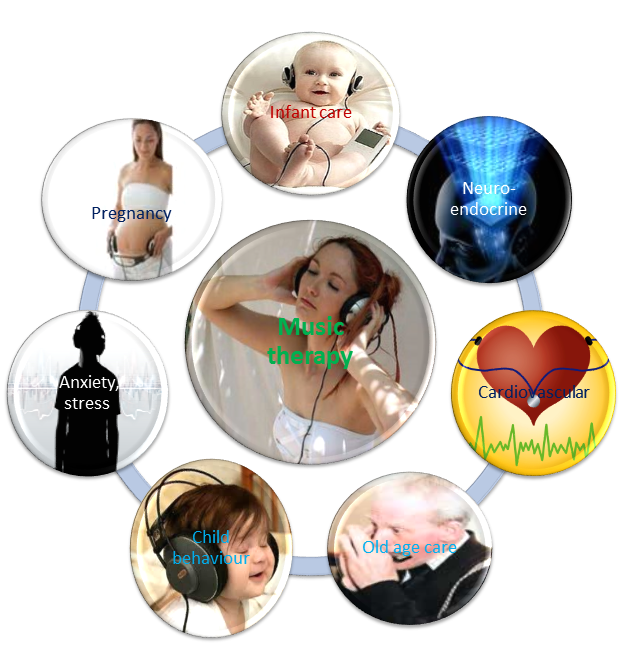
Dwaipayan Sarkar, Former Scholar, Department of HCM (Instrumental), Visva-Bharati, Santiniketan Abstract Music is a profound fine art that shares an intrinsic, soul-deep relationship with human existence. As humankind is an integral part of nature, human musical expression fundamentally mirrors the natural world—drawing inspiration from the gurgling of rivers, the flute-like whisper of wind through bamboo, the roar of the sea, and the melodic songs of birds. This natural essence grants music a unique emotional depth, turning it into an ethereal vehicle for the human soul’s deepest expressions. In contemporary life, music serves as a vital tool for human wellbeing and emotional regulation. Through its core elements of rhythm, melody, and harmony, music stimulates the brain to reduce stress, alleviate anxiety, and comfort individuals through periods of sadness. As a universal medium, music therapy—particularly through the resonant and expressive tones of bowing instruments—fosters a deeper connection to one’s inner feelings. Ultimately, music bridges the mind and Read More …

Repercussions of Colonization in the Land of Africa in the Novel L’Aventure Ambiguë by Cheikh Hamidou Kane

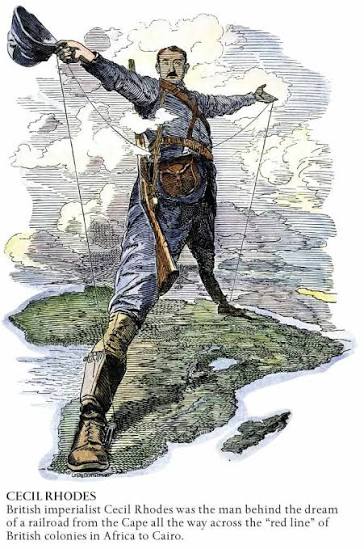
Subrata Pal, Assistant Professor-II, Amity University, Kolkata,  Department of French, Kolkata, India E-mail : subratafrench@gmail.com , Contact Nos: No-9163852529 (WhatsApp), 9875580567 (call) Abstract: Colonisation is a historical phenomenon that took place during the second half of the 19th century. Specifically, regarding French colonisation in Africa, we observe that it occurred during the era of the Third Republic. It was a period characterised by an almost universal thirst among European nations to colonise less powerful countries—particularly those in Africa and Asia. When examining the repercussions of colonisation, one finds that they are numerous. The colonised peoples sought to master the art of “tying wood to wood”—a metaphorical expression signifying the ability to navigate complex situations and persuade others, even when one does not inherently hold the stronger position. They also sought to send their children abroad to attend modern educational institutions in foreign lands. The objective of this research is to investigate how white people interacted Read More …

Negotiating Tradition and Modernity in Musicology and Performing Arts

Joysree Biswas, Ph.D. Scholar, is guided by Dr. Ami Pandya, Dept. of Dance, Faculty of Performing Arts, The Maharaja Sayajirao University of Baroda, Vadodara, Gujarat, India. Abstract This study explores navigating the intricate landscape of tradition and modernity in Indian musicology and performing arts requires a delicate balancing act between upholding rich cultural traditions and embracing the transformative power of contemporary influences. This process involves a dynamic interplay that not only highlights the deep-rooted connection between tradition and modernity but also underscores the significance of the Indian knowledge system and linguistic diversity in shaping musical expressions. By delving into the historical contexts spanning ancient civilizations and exploring the underlying philosophies that have guided musical practices over the centuries, especially through seminal texts like the “Natyashastra,”   (Muni Bharat, Translated by Ghosh Manmohan,1950)[1] a comprehensive understanding of the evolution of Indian performing arts emerges. Furthermore, the pivotal roles played by various Indian languages—such as Sanskrit, Pali, Prakrit, Read More …

Krishna : The Myth and History Across Ages

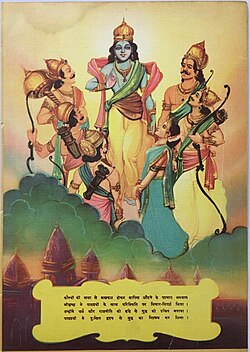
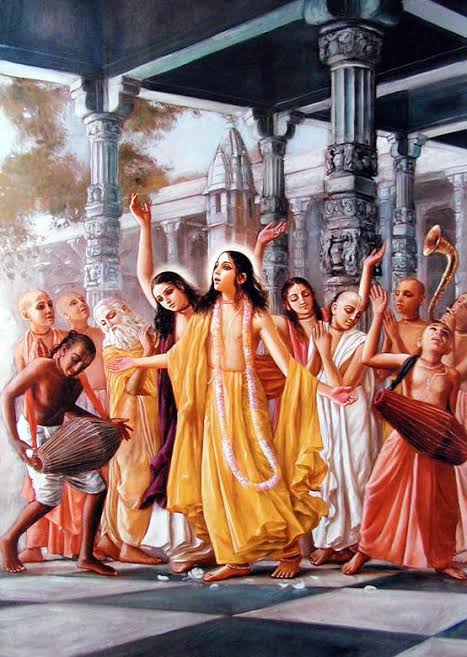
Soma Mondal, Assistant Professor, Department of English, Gobardanga Hindu College   Abstract This paper explores the multi-faceted persona of Krishna, tracing his evolution from a historical or legendary figure to one of the most revered and complex deities in the Hindu pantheon. By examining literary, epigraphical, and archaeological sources spanning millenniums—from the earliest mentions in the Chhandogya Upanishad and the monumental epic Mahabharata to the later Puranic traditions and the medieval Bhakti movement—this study investigates the synthesis of various regional cults (such as the Vrishni heroes, Vasudeva-Krishna, and the pastoral Gopala). It analyzes how Krishna’s imagery adaptively shifted across historical epochs to mirror contemporary socio-religious dynamics, transforming from a shrewd diplomat and philosopher-king into an accessible, beloved cowherd deity. Ultimately, this paper highlights how the fluid intersection of historical memory and mythological narrative allowed the cult of Krishna to transcend regional boundaries, shaping Indian philosophy, art, and pan-Indian cultural identity across the ages. Keywords: Krishna, Indian Mythology, Ancient Read More …

Strings of Tradition: A Comprehensive Study of the Sitar and Its Glorious Gharanas

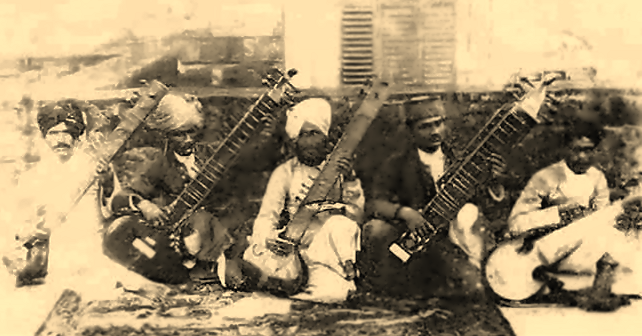
Bhabanishankar Dasgupta The sitar is one of the most fascinating and popular instruments in North Indian (Hindustani) classical music. It has the unique ability to reflect the profound depths of human emotion through its reverberating gourds, empathetic strings and arched frets, from contemplative introspection (alap) to euphoric, lightning-paced rhythmic patterns (jhala). Northern India has been the birthplace of a galaxy of great musicians who have spent centuries mastering and evolving this intricate instrument. Sitar performance is not a seamless whole. Instead, its rich tapestry has been preserved, nurtured and passed down within specialised lineages called gharanas. A gharana, from the Hindi word ‘ghar’ (house), is more than a stylistic school; it is a pedagogical lineage, an ideological approach to raga development and a musical family tree. To really understand the architecture of Hindustani instrumental music, one has to go deep into these schools, their original masters and the intricate lineages that connect them to the Read More …

Kulkuloti Brata and Akashpradip: Tradition, Folklore and Contemporary Evolution

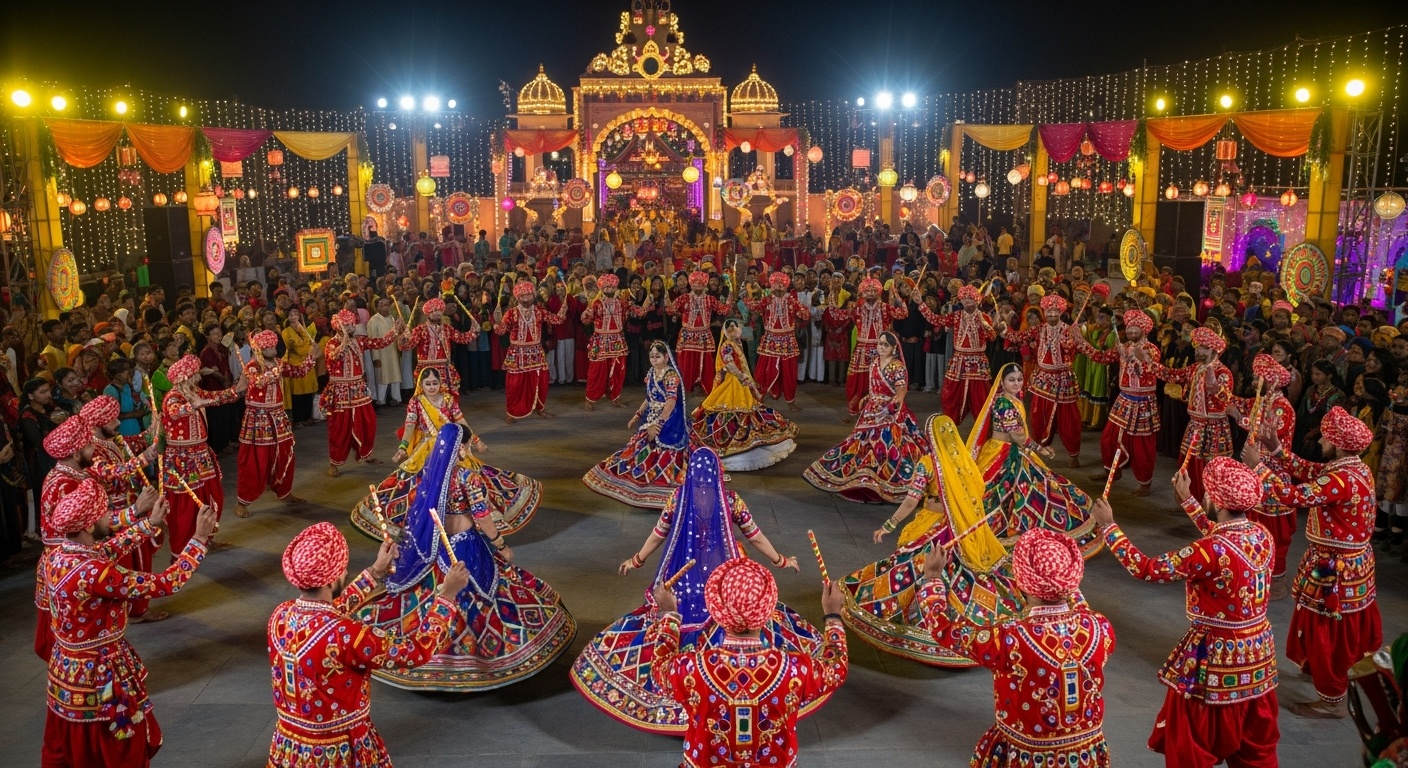
Debasish Mandal Abstract The present research paper enlightens the tradition and contemporary transformation of “Kulkuloti Brata” a disappearing and unique aspect of the folk culture of Rarh Bengal (mainly the districts of Paschim Medinipur, Bankura and Hooghly) and its counterpart folk ritual, the lighting of the “Akashpradip”. This folk festival is celebrated throughout the month of Kartikh and provides a platform for the rural unmarried girls and married women to seek the well-being of their families and learn the primary lessons of domestic life. It is also a soulful effort to light the way for the departed souls of our ancestors. The paper not only gives an anthropological and social analysis, but also describes the regional variations of the rhymes (chhara) associated with the ritual, its psychological parameters and its latent scientific utility as a light trap for pest control in the local agricultural economy. Finally it highlights the modern crisis and the need to Read More …

বিশ্ব যোগ ও সঙ্গীত দিবস : স্কুল পাঠ্যক্রমে সোমাটিক বিজ্ঞান ও নান্দনিক চেতনার একীকরণ

দেবাশিস মণ্ডল সারসংক্ষেপ (Abstract): আজ আমরা বিশ্বায়ন, হাইপার-কানেক্টিভিটি (অতিরিক্ত পারস্পরিক যোগাযোগ) এবং শিক্ষাক্ষেত্রে তীব্র প্রতিযোগিতার যুগে বাস করছি। বর্তমান তরুণ প্রজন্ম শারীরিক স্বাস্থ্য এবং মানসিক স্থিতিশীলতার ক্ষেত্রে অভূতপূর্ব চ্যালেঞ্জের মুখোমুখি হচ্ছে। কায়িক শ্রমহীন জীবনযাত্রা (Sedentary lifestyle), স্ক্রিন টাইম বা ডিভাইসের ব্যবহার বৃদ্ধি এবং পড়াশোনায় ভালো করার জন্য পদ্ধতিগত মানসিক চাপ বিশ্বব্যাপী শিশুদের স্থূলতা (Obesity), ক্লিনিকাল উদ্বেগ, বিষণ্ণতা এবং মনোযোগের অভাবজনিত ব্যাধি (ADHD) আশঙ্কাজনকভাবে বাড়িয়ে তুলেছে। এই প্রেক্ষাপটে, ২১শে জুন আমরা যখন একই সাথে ‘আন্তর্জাতিক যোগ দিবস’ এবং ‘বিশ্ব সঙ্গীত দিবস’ উদযাপন করি, তখন এই দিনটি মানবজীবনের দুটি মূল স্তম্ভের কথা গভীরভাবে স্মরণ করিয়ে দেয়—একটি হলো শরীরের সুষম সামঞ্জস্য এবং অন্যটি হৃদয়ের ভেতরের স্পন্দন। এই লেখায় পাঠ্যক্রমের কাঠামোগত রূপান্তরের প্রয়োজনীয়তা নিয়ে আলোচনা করা হয়েছে, যেখানে যোগ ও সঙ্গীতকে প্রান্তিক সহ-পাঠ্যক্রমিক অবস্থান থেকে উন্নীত করে মূল শিক্ষাবর্ষের আবশ্যিক বিষয় করার প্রস্তাব দেওয়া হয়েছে। প্রাচীন ভারতীয় দার্শনিক গ্রন্থ (পতঞ্জলির ‘যোগসূত্র’ এবং ভরতের ‘নাট্যশাস্ত্র’), আধুনিক নিউরোসায়েন্টিফিক (স্নায়ুবিজ্ঞান) গবেষণা এবং জাতীয় শিক্ষানীতির (NEP 2020) সামগ্রিক দৃষ্টিভঙ্গির ওপর ভিত্তি করে এই Read More …