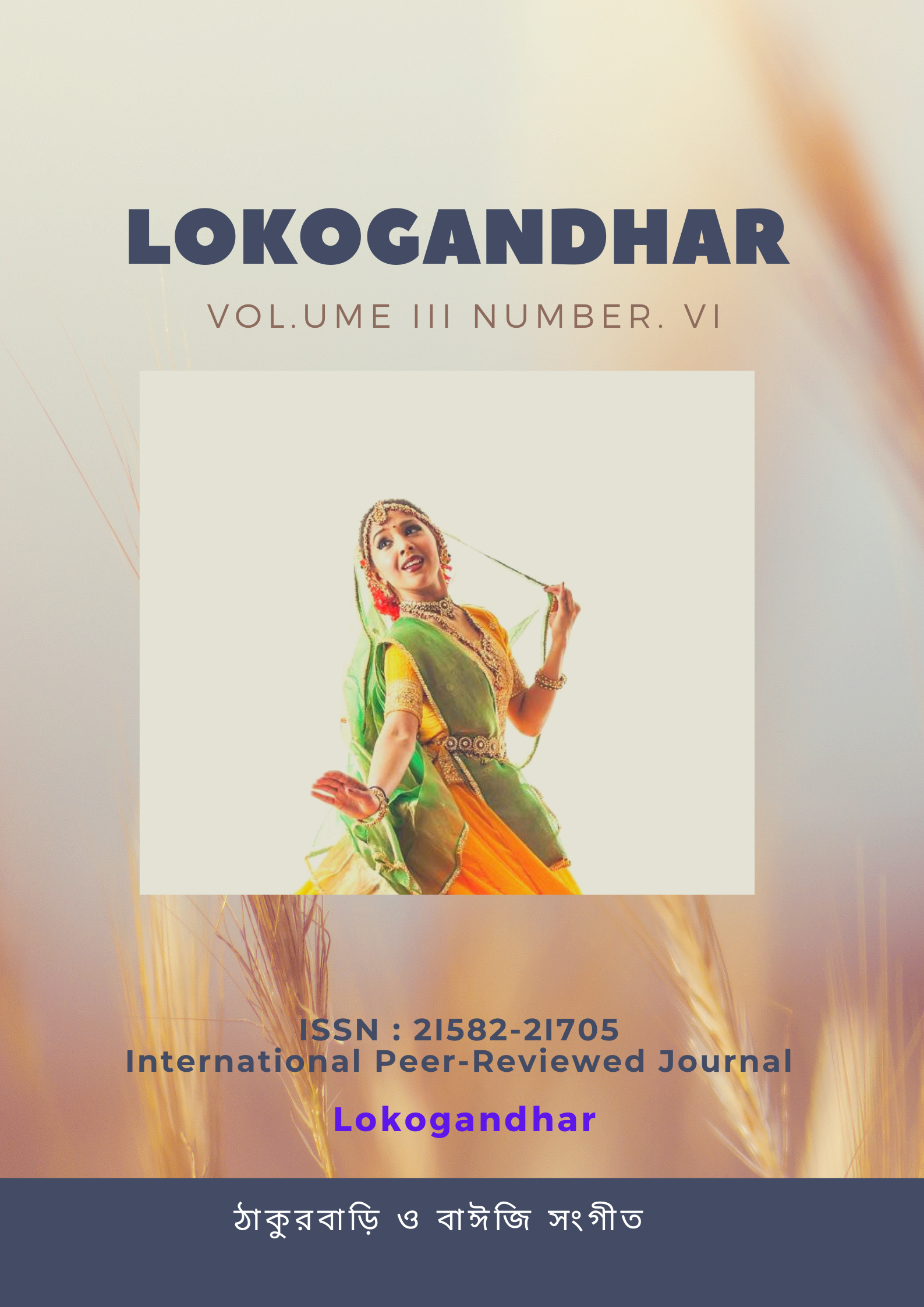
MARGAM IN BHARATNATYAM TRADITION

 Author : Nrityachuramani Rahul Dev Mondal  ( Assistant Professor , Rabindra Bharati University , Department of Dance ) According to the great legendary dancer T.S.Balasaraswati, “The traditional order of the BharatNatyam- alarippu, jatiswaram, shabdam, varnam, padam, tillana and shloka or verse, is the correct sequence for revealing the spiritual through the corporeal.”  Bharatnatyam, the classical Indian dance form is so much more than merely a type of dance. Ever since its origin thousands of years ago it has also been a powerful medium of communication too. This is further reinforced when we try to trace the origin and history of Bharatnatyam. According to the Natya Shastra, the classical work on theatrical art by Bharata Muni, written in the 2nd century B.C., the very creation of dance was to draw people away from evil influences. As such its remarkable feature is to create empathy by arousing an involvement of the audience, which achieves Read More …

রাজ্য দখল থেকে কোভিড ১৯ : শিল্প ও শিল্পীর ভিবিষ্যৎ

দেবাশিস মণ্ডল কোভিড ১৯ এর দ্বিতীয় ঢেউ এসে হাজির হয়েছে আমাদের দেশে। পশ্চিমবঙ্গ আক্রান্ত। আক্রান্ত সারাদেশের সমস্ত ভাষাভাষী, ধর্ম ও বর্ণের মানুষ। এক বছরের বেশি সময় অতিক্রান্ত হয়ে গেছে। WHO অনেক আগেই আমাদের সতর্ক করেছিল করোনার এই দ্বিতীয় ঢেউ আসতে চলেছে বলে। দেশের প্রধান কর্তাব্যক্তিরা জানতেন, কিন্তু তারা এ দিক থেকে মুখ ফিরিয়ে ছিলেন। তারা সবাই প্রায় ব্যস্ত ছিলেন কিভাবে একেকটি রাজ্যকে নতুন করে দখল করে নেওয়া যায়। রাজতন্ত্রের অবসান হলেও এখনো আমাদের ভারতে ক্ষমতা দখলের রাজনীতি আর হিংস্রতা একটুও কমেনি। বরঞ্চ নতুন কৌশলে এরা সিদ্ধহস্ত এবং মানুষকে কিভাবে বোকা বানিয়ে তাদের সমর্থন আদায় করতে হয় সে ব্যাপারে তারা নিজেরা, তাদের অর্থবলও যে সমস্ত গণমাধ্যমগুলি আছে, সেগুলিকে মিথ্যা বলার জন্য যা যা যোগান দেওয়া দরকার, সেসব যোগান দিতে তাদের কোনো অসুবিধা হচ্ছে না। তাই কিভাবে মানুষের সমর্থন নিয়ে রাজ্য দখল করা যায়, সে ব্যাপারে তারা সমস্ত শক্তি এবং সমস্ত বুদ্ধিকে প্রয়োগ করেছেন। লোকবল অর্থবল এবং কুটকৌশল কোন কিছুতেই তাদের অভাব Read More …

Bengali Song in the Bengal Renaissance Movement: Education and Practice

Dr. Soma Das Mondal Music has been practiced in Indian shrines for a long time. For a long time, music has been associated with rituals and social activities in everyday routine of society. Naturally, the role of music in family or domestic life was not less, but the practice of serving music in an alone was rare. There was no separate system of music education. From being involved in daily activities in the social field, children grew up taking part in various family events. Naturally, music education was completed for young boys and girls while they were involved in family and social activities. Education did not have to be arranged separately. However, girls were not allowed to study. Many people believed that if girls learned to read, they would become widows. So, the girls were carefully detached from the place of traditional education with great care. In this context, it Read More …

Aspects of Vaishnava Music and Culture of Assam

Dr. Bhaswati Sarma Introduction: Mahapurush Srimanta Sankardeva whose literary and artistic contributions are living traditions in Assam today was an Assamese polymath, a saint scholar, a poet, a play writer, a socio-religious reformer, founder of Neo-Vaishnavism and a magnificent figure in the history of culture of Assam who was born in Bordowa in Nagaon district in Assam  1449.     He is credited with building on past cultural relics and devising new forms of music which is widely known as ‘Borgeet’, theatrical performance known as ‘Ankia Naat or Bhaona), Dance known as ‘Sattriya’, literary language ‘Brajavali’. He has created some extensive literary oeuvre of trans-created scriptures which is known as ‘Bhagavat’ which is a repertoire of poetry and theological works written in Sanskrit, Assamese, Brajavali language. The Bhagavatic religious movement he started is known as ‘Ek Sharana Dharma’(one god) and also called Neo-Vaishnavite movement which immensely influence two medieval kingdoms- Koch Read More …

নারী ক্ষমতায়ন প্রেক্ষিতে বঙ্গ-রঙ্গমঞ্চের শতাব্দীব্যাপী ‘অভিনেত্রী’ সূত্রতা

মৌ চক্রবর্তী , নাট্য গবেষক , নাটক ও নাট্যকলা বিভাগ, সংগীত ভবন, বিশ্বভারতী mou.chakraborty@visva-bharati.ac.in ১.১ ভূমিকা     বঙ্গরঙ্গমঞ্চ ও ক্ষমতায়ন–এর পারস্পরিক কি কোন যোগ হতে পারে। যেখানে ক্ষমতা বিষয়টি নিয়ে এখনও সমাজতাত্ত্বিক আলোচনা পুরুষতান্ত্রিক ভরকেন্দ্রিক। সার্বিক প্রেক্ষাপট এবং জ্ঞাপক – সর্বজনীন মাধ্যমের তথ্য, উপাদানসহ এ নিয়ে আলোচনা হচ্ছে আধুনিক পর্যায়ে। তবে বঙ্গরঙ্গমঞ্চ –এর ব্যাপ্তিতে পুরুষ-সমাজের উত্তম পুরুষকার তো সর্বজনবিদিত। এর সঙ্গে ক্ষমতায়ন জুড়তে গেলে তা হতে হবে, নারীকেন্দ্রিক আলোচনা। এবং, তা কেবলমাত্র নটী, অভিনেত্রীদের দিক থেকেই হতে পারে। জাতীয় পর্যায়ের যে পরিসংখ্যান তাতে নারীর ক্ষমতায়ন বিষয়ে আলোচনা এক নতুনতর অভিযোজন। এর মুখ্য উদ্দেশ্য নারীদের সামাজিক, রাজনৈতিক এবং আর্থিক অবস্থান বোঝা। এবং উক্ত প্রসঙ্গ সমাজ নামক এককে বিশেষ করে উপস্থাপিত হতে থাকছে ততক্ষণ, যতক্ষণ না আলোচনায় মতামতে সার্বিকভাবে নারীর সহাবস্থান ঘটে। উক্ত সহ – অবস্থানের বিষয়টি নিয়ে আলোচনা এক ইউটোপিয় ধারণা, যার বাস্তবায়ন না ঘটলেও ধারণাটি নিয়ে সম্যক চর্চা হতে পারে। আলোচ্য প্রবন্ধের বিষয় নারীর ক্ষমতায়ন প্রসঙ্গটি আন্তর্জাতিক এক মতবাদ। যা Read More …

Women’s Liberation Movement in Bengal

Dr. Jayanti Mandal Abstract: This abstract provides a concise overview of the Women’s Liberation Movement in Bengal, tracing its origins, key milestones, and lasting impact on the socio-political landscape of the region. The Women’s Liberation Movement in Bengal emerged as a powerful force in the mid-20th century, fueled by a confluence of social, economic, and political factors. Rooted in the broader context of India’s struggle for independence, the movement in Bengal took on a unique character, reflecting the region’s distinct cultural and historical influences. The movement was characterized by a multifaceted approach, addressing issues ranging from gender-based discrimination and violence to economic inequality and political disenfranchisement. Influential women leaders and activists played pivotal roles in mobilizing communities and challenging patriarchal norms. Notable figures such as Begum Rokeya Sakhawat Hossain, Sucheta Kripalani, and others emerged as trailblazers, advocating for women’s rights and empowerment. The abstract explores key milestones in the movement, Read More …

অধ্যাপিকা শিশিরকণা বুঝিয়ে গেলেন, বাঙালির সংস্কৃতি বলে আর কিছু নেই

পণ্ডিত অনিন্দ ব্যানার্জির হোয়াটস আপ থেকে শিশিরকণা বুঝিয়ে গেলেন, বাঙালির সংস্কৃতি বলে আর কিছু নেই বাংলার সংস্কৃতি নিয়ে ইদানীং খুব লেখালেখি, কথা চালাচালি হচ্ছে চারদিকে। বাঙালির সংস্কৃতির বিপন্ন, বাঙালি ক্রমেই বাংগালি হয়ে যাচ্ছে—অনেক লোককে গভীর উদ্বেগের সঙ্গে বলতে শুনছি। কেন রে সংস্কৃতিকে বিপন্ন করিস তোরা? কত দুশ্চিন্তার লোক এক কথায় এসে হাজির। ভালো, ভালো, বাংলার সংস্কৃতি নিয়ে চারদিকে মাথাব্যথা। কিন্তু দিন দুই আগে একটা ঘটনা দেখে ভাবতে ইচ্ছে করে, বাঙালির সংস্কৃতি বলে আদৌ আছে কিছু? আমি নিশ্চিত, আর নেই। যা ছিল, নির্বাচনের হট্টমেলায় ফুলে-ফুলে কাস্তে, হাতে সব সাফ হয়ে গিয়েছে। যা পড়ে রয়েছে, তা অতীতের কিছু জাবরকাটার ঘটনা। আমরা কেউই আর বাংলা সংস্কৃতি নিয়ে গলা ফাটানোর জায়গায় নেই। আমরা মনেই রাখি না আমাদের গর্ব। গলা পর্যন্ত রাজনীতির নোংরা জলে ডুবিয়ে সকল নিয়ে বসে আছি সর্বনাশের আশায়। শুধু রাজনীতিকদের, বাইরের লোকদের দোষ দিয়ে লাভ কী? গত কাল ৯ মার্চ, ২০২১ তারিখে সকালে নয়াদিল্লিতে মেয়ের বাড়িতে প্রয়াত হয়েছেন কিংবদন্তি বেহালা শিল্পী শিশিরকণা Read More …

Different Faces of Violence in Selected Plays of Harold Pinter                               

Soma Mondal, Assistant Professor, Department of English, Gobardanga Hindu College Different Faces of Violence in Selected Plays of Harold Pinter In the Preface to his play Lear Edward Bond says, I write about violence as naturally as Jane Austen wrote about manners. Violence shapes and obsesses our society, and if we do not stop being violent, we have no future. People who do not want writers to write about violence want to stop them writing about us and our time. It would be immoral not to write about violence (iv). Violence has become a part of our life due to various social factors. Violence is of different types: social, political, domestic, sexual, psychological and physical. It is difficult to categorize them clearly as often they overlap. In Pinter’s plays, there is ‘use and abuse of power, the fight for living space, cruelty, terror’ (Esslin, 32). It is hardly possible for Read More …

সভ্যতা ও সঙ্গীতের বিকাশ – প্রশেন রায়

পৃথিবীর মানব সভ্যতার অগ্রভাগে তথা বিকাশ বিষয়ে নানা গবেষণার ফল স্বরূপ সূদুর অতীত থেকে চলমান যুগ পর্য ন্ত মানব সমাজের বিবর্তনের ইতিহাস আজ আমাদের কাছে সম্পূর্ন অন্ধকারাচ্ছন্ন নয়। যেহেতু এই সকল গবেষণার মূল ভিত্তি বিজ্ঞান, তাই অতীত সম্পর্কে অনেক ভ্রান্ত ধারনা ও সংস্কারের অবলুপ্তি ঘটেছে । আজকের মানুষ পৃথিবীতে সমাজ জীবনের বিকাশ সম্পর্কে একটা নিটল ও যুক্তি সম্মত ধারনা অর্জন করতে সমথ© হচ্ছেন। পৃথিবীতে সঙ্গীতের ইতিহাস সুপ্রাচীন। মানব সভ্যতার অগ্রগতির সঙ্গে ধাপে ধাপে তার বিকাশ ঘটছে ফলে সমাজ জীবনকে বাদ দিয়ে শুধু মাত্র সঙ্গীতের বিকাশ বিষয়ক কোন ইতিহাস রচনা করা সম্ভব নয় আবার সঙ্গীত বলতে আমরা যেমন একটি অভিজাত ধারার সম্মান পাই তেমনি সূদূর অতীত থেকে সাধারন গ্রামীন জনসাধারনের কণ্ঠে গীত ও বিকশিত আরেকটি লৌকিক ধারাকেও অস্বীকার করতে পারা যায় না। গ্রামীন সমাজ জীবনের সঙ্গে এই সঙ্গীত ধারা অঙ্গাঙ্গীভাবে জড়িত। কিন্তু এইরকম একটি বিষয়ে আলোচনা করতে গিয়ে নির্ভরযোগ্য তথ্য ও প্রমানের অভাবে বহু সমস্যার সম্মুখীন হতে হয়। ভারতীয় শাস্ত্রীয় সঙ্গীতের Read More …

অবোলা জীবের দোসর রবীন্দ্রনাথ : ঘোড়া আর তোতার গল্প

ড. রাজশ্রী ভট্টাচার্য Abstract Rabindranath Tagore as the Companion of the Voiceless: The Allegory of the Horse and the Parrot This paper explores Rabindranath Tagore’s philosophical vision of freedom through two allegorical prose pieces from Lipika — “Totakahini” (The Parrot’s Tale) and “Ghora” (The Horse). Through symbolic representation of a caged parrot and a domesticated horse, Tagore critiques oppressive educational systems, authoritarian power structures, and the mechanization of life. The narratives transcend mere animal fables and unfold as profound commentaries on human freedom, creativity, and spiritual autonomy. By situating these texts alongside Tagore’s broader oeuvre — including Dakghar, Raktakarabi, Naibedya, and selected songs from Gitabitan — the study demonstrates the continuity of his liberationist philosophy. The paper argues that Tagore’s aesthetic strategy combines irony, lyrical prose, and symbolic layering to expose the violence inherent in imposed discipline and institutional rigidity. Ultimately, the death of the parrot and the silenced cry Read More …