Influence of Folk Songs in the Drama of Rabindranath

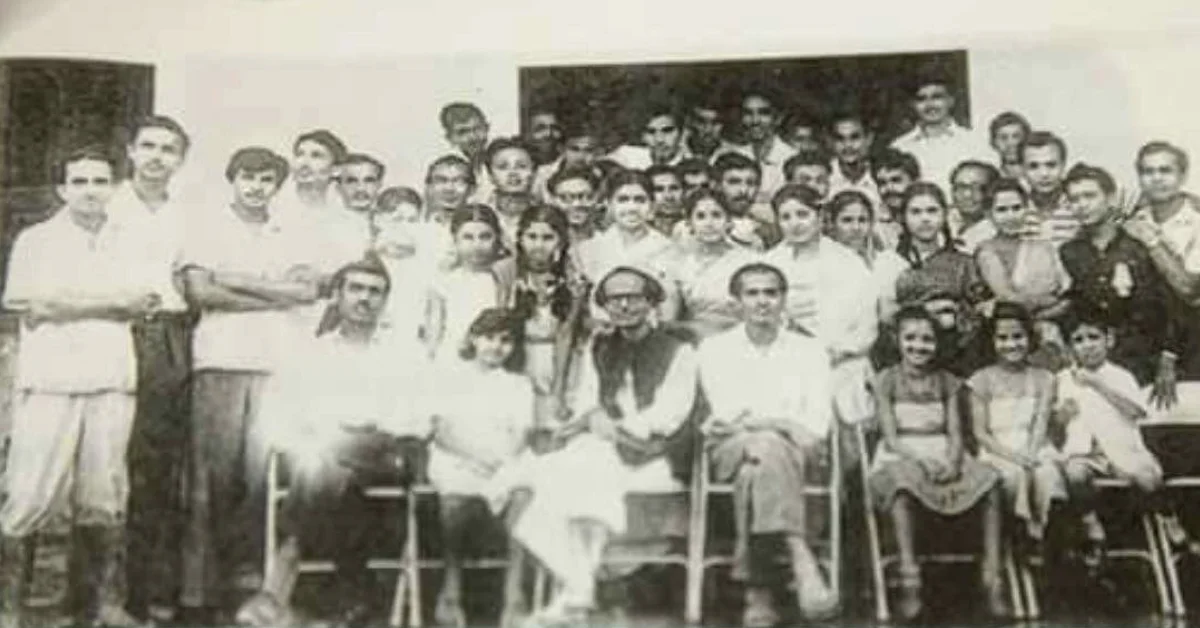
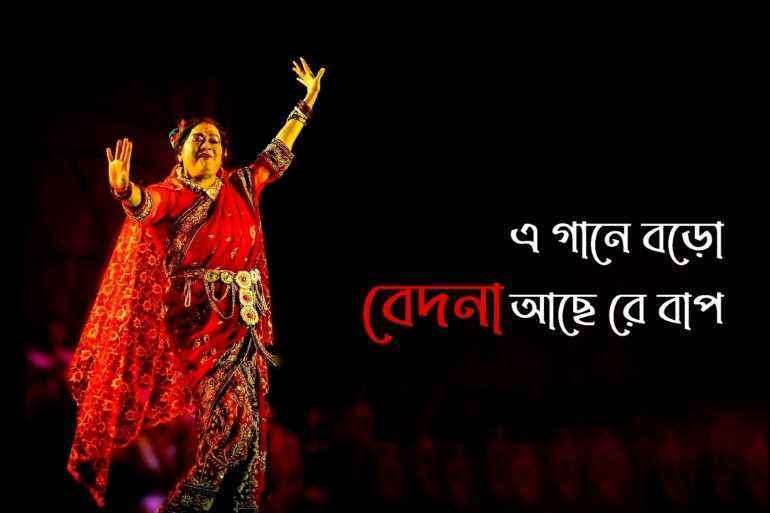
Dr. Amartya Mukhopadhyay Abstract: Rabindranath Tagore, a towering figure in Bengali literature and a Nobel laureate in literature, was not only a prolific playwright but also deeply immersed in the rich cultural tapestry of folk traditions. This abstract explores the profound influence of folk songs on Tagore’s dramatic works, unraveling the symbiotic relationship between the playwright and the vibrant folk traditions of India. Tagore’s fascination with folk culture, particularly folk music, is evident in his exploration of diverse themes within his dramas. This study delves into how Tagore seamlessly integrated folk songs into the fabric of his plays, enhancing the emotional depth, cultural authenticity, and narrative resonance of his works. Drawing on the diverse folk traditions of India, including Baul, Bhatiyali, and Kirtan, Tagore skillfully wove these melodies into the narratives of his dramas, creating a unique and captivating theatrical experience. The research also examines the thematic motifs and cultural nuances embedded in Tagore’s incorporation Read More …
Social Enlightenment, Preservation of Cultural Values Through Gat-Bhav

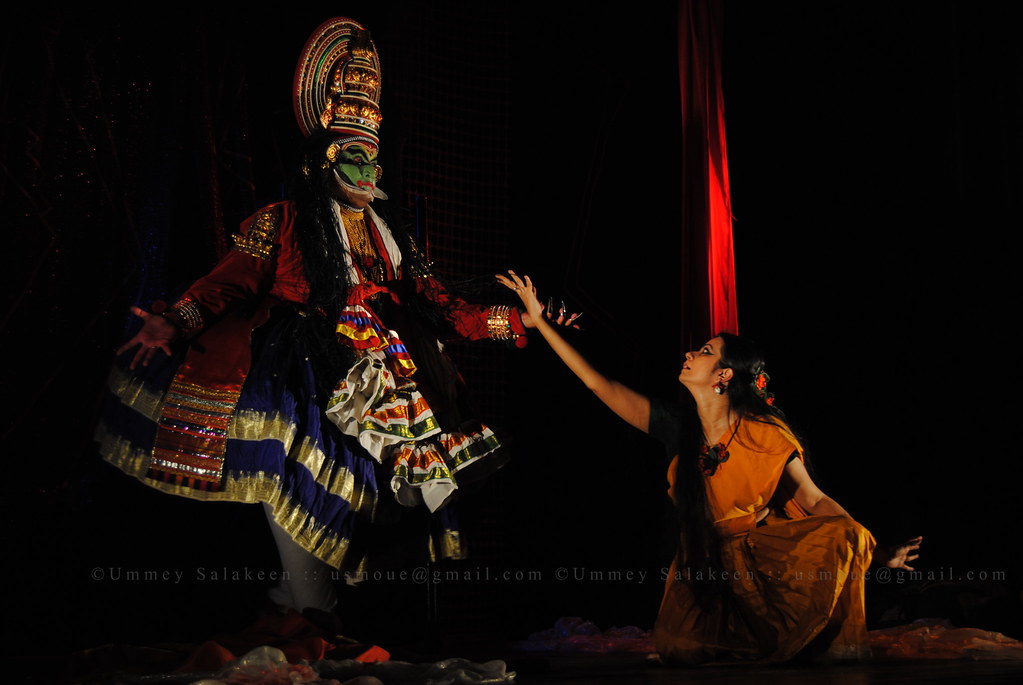
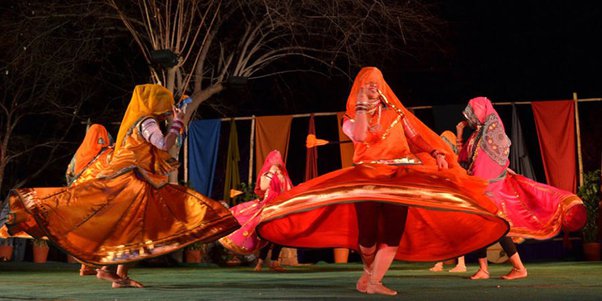
Vrushali Dabke-Research scholar, Sri Sri University, Cuttack. Co-author: Dr. Manjiri Deo-Sri Sri University, Cuttack. Abstract While India has a rich heritage of classical dances, what makes kathak unique is gat-bhav. This study is conducted to examine the use of Gat bhav for social enlightenment and the preservation of cultural values. Qualitative analysis was conducted through literature review interviews of Kathak dancers and attending experimental performances of the same. Deeper research on gat-bhav with its dual form of presentation emphasizes the impact of gat-bhav as a therapy tool and as a medium for social awakening with its deep-rooted connections with the Shastra of Kathak.  Introduction  Gat-bhav is constituted as part of the Natya in nartan bhed. Natya aims to produce ‘Raas’. For this reason, Natya has been called a ‘Roop’ by Bharatmuni in Natyashastra, where he deems that the artist should be able to portray the emotions with such skill that he can make his audience Read More …

Enhancing Cultural Resonance: A Comprehensive Abstract on Music Education in Chittagong

SWARNAMAY CHAKRABORTY Abstract: This abstract delves into the landscape of music education in Chittagong, Bangladesh, exploring its significance, challenges, and evolving paradigms. Chittagong, a city rich in cultural diversity and historical significance, has witnessed a growing interest in music education as a means of preserving and promoting its unique musical heritage. The study begins by contextualizing the importance of music education in fostering cultural identity and community cohesion. It examines the role of music in Chittagong’s cultural fabric, encompassing traditional folk music, classical genres, and contemporary expressions. The paper explores how music education acts as a catalyst for cultural preservation and the transmission of traditional knowledge from one generation to the next. Challenges faced by music education in Chittagong are discussed, including resource limitations, the need for qualified instructors, and the integration of technology. The study also addresses socio-economic factors that may hinder access to music education, emphasizing the importance of inclusivity and outreach programs Read More …

Echoes of Tradition: Exploring Folk Language and Culture

Dr. Srabani Sen Abstract Echoes of Tradition: Exploring Folk Language and Culture” delves into the rich tapestry of folk language and cultural expressions that resonate through generations. This study investigates the enduring influence of traditional forms of communication, storytelling, and linguistic nuances within communities. By examining the echoes of tradition in language, the research sheds light on how cultural heritage is preserved and transmitted through oral traditions, folk tales, and linguistic idiosyncrasies. Through a multidisciplinary lens, the abstract explores the intricate interplay between language and culture, providing insights into the dynamic processes that shape and sustain the collective identity of communities over time. This exploration invites readers to appreciate the enduring vitality of folk traditions as integral components of our shared human heritage. লোকভাষা ও লোকসংস্কৃতি ড.শ্রাবণী সেন আ্যসোসিয়েট প্রফেসর,সঙ্গীত বিভাগ,তারকেশ্বর ডিগ্রি কলেজ,তারকেশ্বর,হুগলী ভাষা মানুষের আত্মপ্রকাশের শ্রেষ্ঠ মাধ্যম। ধ্বনি থেকে ভাষার উৎপত্তি হলেও অনুন্নত প্রাণী ও মানুষের সৃষ্ট ধ্বনির মধ্যে মৌলিক পার্থক্য রয়েছে। সমাজ গঠনের Read More …

Music Healed Riot-Torn Assam in 1960

Rimi Biswas Ph.D. Research Scholar, Calcutta University Abstract: In this paper, we tend to pay attention to such an incident that can be regarded as a unique one in the global context. Assam witnessed a horrible riot in the year of 1960 that is generally known as ‘linguistic riot’. The riot broke out after the decision on the government level to make the Assamese language the only official language in the state. The aftermath was just horrendous as vandalism started to take place in various belts of Assam. Bengali people, living in Assam faced brutal attacks at that point in time and subsequently, tension along with extreme violence gripped the whole state. Hemango Biswas, the legendary musical personality and political activist proposed Dr. Bhupen Hazarika for a joint ‘peace caravan’ to pacify the violence. Bhupen Hazarika readily accepted the proposal and the rest was history. For the first time, perhaps in the global context, too, Read More …

Nachni : Chhinna Jeevan Chhinna Man’ – a discussion based on Subrata Mukhopadhyay’s ‘Roseek’ novel

Dhriti Sinha Abstract ‘Nachni : Chhinna Jeevan Chhinna Man’ – a discussion based on Subrata Mukhopadhyay’s ‘Roseek’ novel. Subrata Mukhopadhyay presents a broader perspective on individuals and their lives, transforming the narrative of a singular person into a collective story. During the period when Subrata Mukhopadhyay and his contemporaries were actively writing, many authors from the 1950s had already produced significant works that stirred conversations and debates. Throughout Mukhopadhyay’s body of work, the theme of the visionary yet perplexed individual predominates, primarily within a civic context. In contrast to numerous writers of his time, Subrata Mukhopadhyay and his peers opted to explore a genre largely distinct from conventional civic biography. Their perspectives and experiences underwent profound changes for various reasons, prompting them to adopt alternative viewpoints. Consequently, they continued to produce texts that surpassed the accomplishments of their predecessors. The tensions and complexities of the middle class extended beyond their conventional dimensions, delving into new Read More …

Exploring Physiological Thoughts and Folk Philosophy

Dr. Shrabani Sen Abstract The investigation begins with an exploration of the physiological underpinnings of cognitive processes, shedding light on how the mind processes information and influences perceptions. Subsequently, the study investigates the rich tapestry of folk philosophy that permeates the socio-cultural fabric of Bengal, examining how these indigenous belief systems shape individual and collective thought patterns. By bridging the realms of science and culture, this research contributes to a holistic understanding of the intricate relationship between the human mind and cultural context. Through an analysis of literature, oral traditions, and cultural practices, the research seeks to identify recurring motifs and themes that reflect the convergence of physiological processes and folk philosophies. Additionally, the study explores the implications of these harmonies of the mind on various aspects of Bengali society, including art, literature, and daily life. Ultimately, this investigation aspires to illuminate the symbiotic relationship between physiological thoughts and folk philosophy in Bengal, offering a Read More …

Amar Bhuban: A Tribute to Mrinal Sen on His Birth Centenary

Dr. Pratiti Pramanik DeGobardanga Hindu CollegeMusic Dept. Abstract :Alternative genre films have long been appreciated by connoisseurs in 20th-century mainstream cinema. Mrinal Sen’s film philosophy is different.  There is no story, no storyline in the films made by him. He has experimented a lot with the language that cinema has of its own.  So there are good acting in his films but the cinematic language is used in a completely different way in his films.  His films are very technically strong. In this film directed by Mrinal Sen, he returned to traditional values.  In a very simple manner.  Watching the picture, the viewer is overwhelmed by this simplicity.  But this simplicity is not alien to the present time.  It can be said that the importance of this film can be fully understood only when it is seen in connection with the contemporary situation and events.The director has used a Rabindra Sangeet in this film – Read More …

TRADITIONAL GAMES OF WEST BENGAL

ANIK DAS   SACT, DEPARTMENT OF JOURNALISM & MASS COMMUNICATION  GOBARDANGA HINDU COLLEGE  Mob- 8013882387, Email:-anikdas341@gmail.com ABSTRACT:- The rural areas of West Bengal seem to be rich in different traditional practices. We cannot find it in cities. Ingredients like broken clay pots, ragged clothes, fruit seeds etc. are used as different playing items in rural areas. Due to financial weakness their choices are less unlike the city people who are always fond of buying expensive playing items like cricket kits, tennis kits etc. Rural people have access to limited resources. The influence of western culture and globalization have made us forgot our traditional folk games and adopt their culture. Traditional folk games can impact a child’s mind very much.  KEYWORDS:-  Traditional practice, financial weakness, limited resources, folk games. INTRODUCTION:-  Games are any forms of play or way of playing in which people engage themselves for refreshment, amusement, entertainment and joy. The games are very much needed Read More …