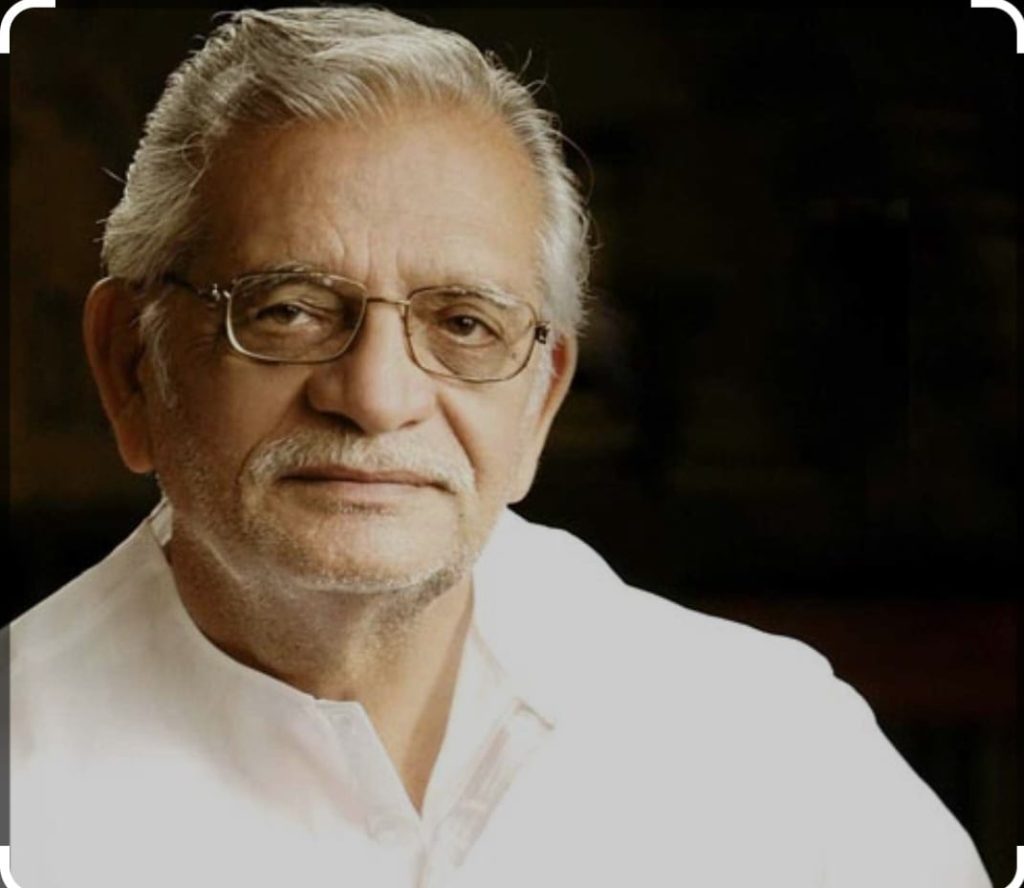
Bengali Nationalism Movement, Language, and Melodies

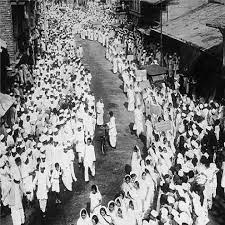
Dr. Debasish Mandal Abstract: This exploration delves into the multifaceted tapestry of Bengali identity, unravelling the historical narrative of the Bengali nationalism movement, the significance of the Bengali language, and the evocative melodies that have woven the cultural fabric of the Bengali community. From the fervor of the independence movement to the linguistic and cultural renaissance, this study navigates the socio-political landscape that shaped Bengali nationalism. Furthermore, it examines the pivotal role played by the Bengali language as a symbol of cultural resilience and unity, transcending geographical boundaries. Lastly, the analysis extends to the realm of Bengali songs, elucidating their role as carriers of emotions, traditions, and societal reflections, fostering a deep connection between the past and the present. Through this comprehensive exploration, a nuanced understanding of the rich cultural heritage of the Bengali people emerges, highlighting the intricate interplay between nationalism, language, and the expressive power of music. বাঙালি Read More …

Rights of Mundas in Mahasweta Devi’s ‘Aranyer Adhikar’

Irabati Mondol Abstract: Mahasweta Devi’s novel, ‘Aranyer Adhikar,’ delves into the intricate tapestry of the Munda community’s rights in the backdrop of socio-political complexities. The narrative unfolds in the dense forests of Jharkhand, shedding light on the struggles and resilience of the Mundas, an indigenous group. As the characters grapple with displacement, exploitation, and the erosion of their cultural heritage, the novel becomes a poignant exploration of the rights denied to the Mundas. Through a powerful narrative, Mahasweta Devi magnifies the importance of understanding and preserving the rights of marginalized communities in the face of oppressive forces, inviting readers to reflect on the broader implications of social justice and human rights. অরণ্যের অধিকার : মুণ্ডাদের অধিকার রক্ষার আবহ সঙ্গীত, ইরাবতী মণ্ডল, অধ্যাপিকা, দমদম মতিঝিল কলেজ জনজাগরণ মূলক সাহিত্যের ক্ষেত্রে গান এক বিশেষ ভূমিকা পালন করে। গান এমন একটা জিনিস যার সুর-তাল-লয় মানুষের মনে গভীর ভাবে প্রভাব বিস্তার করে। মানুষের মধ্যে Read More …

A Short History of Masidkhani Gat and Baaj

Bhabanishankar Dasgupta The VILAMBIT (slow) GAT compositions set to TEENTAL (16 beat rhythm) which are played on stringed instruments such as SARODE, SITAR, ESRAJ or SARENGI are referred to as MASIDKHANI GATS.MASID KHAN, a venerable maestro was the creator of this particular genre. Formerly the style introduced by AMIR KHUSRU was followed by most instrumentalists. KARIMSEN, the great grandson of TANSEN was a proficient BEEN and RABAB player. His grandson MASID KHAN brought about a revolutionary change in the previous conventions of instrumental music and successfully trained his son BAHADUR KHAN in his individual style. BAHADUR KHAN or BAHADUR SEN assiduously followed the style introduced by his father and subsequently his descendants created the JAIPUR BAAJ or musical technique on the basis of this style. The MASIDKHANI style was created according to the conventions of VILAMBIT (slow) KHEYAL and the main techniques of instrumental music, such as JOD, TODA and Read More …

Vidushi Purnima Chowdhury : An Artiste with a Motherly Heart

Bhabanishankar Dasgupta 1 Michal Madhusudan Dutta the legendary Bengali poet once said about Iswar Chandra Vidyasagar—“This time I have appealed to a person who has the wisdom of an ancient sage, the energy of an Englishman and the heart of a Bengali mother. If any artiste had the heart of a Bengali mother she was none other than Vidushi Purnima Chowdhury. with an affectionate heart and an amiable smile Purnima aunty was so popular specially with young singers and musicians that her very presence invigorated them and inspired them to perform well. with maternal affection she always encouraged them and advised them to maintain their pursuit of music sincerely. In DECEMDER 2010 I gave a Sarode recital at ALL INDIA MUSIC FESTIVAL organized by M. N. Sarkar (Hari Babu). when I had just finished my recital and was about to leave the stage, Purnima aunty arrived. On a sudden impulse Read More …

ভিন্ন গলা, ভিন্ন গান : কন্ঠসাধনার সাধারণ নিয়ম

নূর নবী মিরণ বাংলাদেশ  গান ভিন্ন ভিন্ন কিন্তু গলা সাধার ধরণ এক এই ধারণাটি অনেকের কাছেই নতুন বলে মনে হতে পারে। কেননা আমাদের দেশে এই ধরনের কথা সম্ভবত এর আগে তেমন কেউ শুনেননি। যে কথাটি বহুল প্রচলিত এবং প্রচারিত তাহলো ক্লাসিক্যাল গান অর্থাৎ হিন্দুস্থানী সংগীত চর্চা করতে হবে। হিন্দুস্থানী সংগীত চর্চা না করলে গান গাওয়ার গলা তৈরি হবে না এবং তার স্থায়িত্ব থাকবে না। আমাদের বাংলা গানের বেশ বড় একটি অংশ দখল করে আছে রবীন্দ্র সংগীত। আরো একটি অংশ আছে নজরুল সংগীত। প্রায় বিপরীত ধারার এই দুই ধরনের গান আপন মহিমায়, রঙে, রূপে, বৈচিত্র্যে নিজস্ব আসন তৈরিতে সমর্থ হয়েছে। এ হলো এককভাবে দুইজন গীতিকবির কথা। এছাড়া আরো যে কয়টি বাংলা গানের ধারা আছে তারমধ্যে আর একটি বড় অংশ হচ্ছে বাংলার লোকসংগীত। এটিও নিজস্ব ঢঙে মহিমায় সমুজ্জ্বল। আরো অনেক রকমের গান থাকলেও আলোচনার সুবিধার জন্য আমি এই তিনটি ধারার মধ্যেই আমার উপমাকে সীমিত রাখতে চাচ্ছি। এই তিন ধরনের গানের গাওয়া ধরনের Read More …

তাহাদের কথা

অনিন্দ্য বন্দ্যোপাধ্যায়। তখনকার দিনে লোকজনদের ধারণা ছিল বাঁশি বাজালে ‘থাইসিস’ হয়। ফলে এআত্মীয় সজন পাড়া-পড়শীরা ভয় দেখাতে শুরু করলেন সাত বছরের বালক গৌরকে। কিন্তু সোভাগ্য এই যে ওর মা-বাবা ওদের কথায় ভনা পেয়ে বরং আরও বেশি উৎসাহ দিতে লাখালেন বাঁশি বাজাতে। সঙ্গীত তখনকার জনমানসে ছিল অপরাধের কাজ। ঠিক সেই সময়ে সঙ্গীতকেই জীবনের সঙ্গী করে ছিলেন সুপরিচিত বংশীবাদক গৌর গোস্বামী। মহাপ্রভু শ্রীচৈতন্যদেবের লীলাসঙ্গী শ্রীশ্রীনিত্যানন্দ মহাপ্রভুর বংশধর গৌর গোস্বামীর দাদু বলাইচাদ গোস্বামী শুধুমাত্র পণ্ডিতই ছিলেন না খেয়াল, ধ্রুপদ গানের চর্চাও করতেন। একই পথের পথিক ছিলেন বাবা বীরেশ্বর গোস্বামীও | বাড়িতে প্রায় গানের আসর বসত আর ছোটবেলা থেকেই গেীর ছিল সেইসব আসরের শ্রোতা। ছােটবেলা থেকেই বাঁশির সুর গেীরকে পাগল করতে। সাত বছর বাসে চড়কের মেলা। থেকে কিনে আনা একটা ছোট বাঁশিতে হয়েছিল সরগমের সঙ্গে তঁর প্রথম পরিচয়। বড়দাদা ব্রজেশ্বর বাজাতেন বীণা, সুরবাহার ও সেতার অত্যন্ত দক্ষতার সঙ্গে। ফলে এই দাদা হয়েছিলেন গৌরের প্রথম গুরু। দিদি গান শিখতেন সতীশ চট্টোপাধ্যায়ের কাছে। সেই সুবাদে গৌরের Read More …

सुर सम्राट उस्ताद अली अकबर खां

अभिजीत रायचौधरी देश एवं विदेश में भारतीय शास्त्रीय स्वर वाद्य संगीत की चर्चा हो, उस्ताद अली अकबर खां, पं0रविशंकर, उस्ताद विलायत खां, पं0 निखिल बनर्जी, पं0 शिव कुमार शर्मा, पं0 हरिप्रसाद चौरसिया जी, उस्ताद अमजद अली खां आदि की चर्चा न हो, यह हो ही नहीं सकता। मैहर घराने के शिखर पुरुष उस्ताद अली अकबर खान का जन्म 14 अप्रैल 1922 को ग्राम शिवपुर, जिला त्रिपुरा में हुआ। बहुत अल्प आयु में ही उन्होंने अपने पिता बाबा उस्ताद अलाउददीन खां से सरोद वादन की पारम्परिक शिक्षा लेना प्रारम्भ कर दिया। बाबा उस्ताद अलाउद्दीन खां ने रामपुर के उस्ताद अहमद अली तथा उस्ताद वजीर खां से सरोद वादन की शिक्षा प्राप्त की थी। बाबा उस्ताद अलाउद्दीन खा सरोद के साथ-साथ वायलिन, सुरसिंगार, क्लैरियनेट, इसराज, तबला आदि अनेक वाद्यों के कुशल कलाकार तो थे ही, एक आदर्श गुरु भी थे। उनके कठोर अनुशासन एवं अली अकबर खां की कड़ी मेहनत और प्रतिदिन Read More …

বিসর্জন নাটকের সংগীত

ডঃ ভীষ্মদেব চট্টোপাধ্যায় ‘বিসর্জন’ নাটক যখন রচিত হয়, কবির বয়স তখন ২৯ বছর। বাংলা সাল ১২৯৭, ইংরাজী সাল ১৮৯০। নাটকের গানগুলি : ১। ঝর ঝর রক্ত ঝরে কাটা মুণ্ডু বেয়ে’। ২। আমি একলা চলেছি এ ভবে’ – দেশ/কাওয়ালী, অপর্ণার গান।। ৩। উলঙ্গিনী নাচে রণরঙ্গে’ – পঞ্চম দৃশ্যে হারুর গান। ৪। ওগো পুরবাসী – অপর্ণার গান।। ৫। “আমারে কে নিবি ভাই, সঁপিতে চাই আপনারে’’ – দ্বিতীয় অঙ্কের তৃতীয় দৃশ্যে জয়সিংহের গান। ৬। থাকতে আরতো পারলি নে মা – ভৈরবী, একতাল, কোরাস।। বিসর্জনের রচনাকাল ফাল্গুন, ১২৯৬। কিন্তু গ্রন্থাকারে তা প্রকাশ পেয়েছে, ২রা জ্যৈষ্ঠ, ১২৯৭/ইংরাজী ১৮৯০ খৃষ্টাব্দ। স্নেহের ভ্রাতুস্পুত্র সুরেন্দ্রনাথ ঠাকুরকে তার রবিকাকা অর্থাৎ রবীন্দ্রনাথ ঠাকুর ‘বিসর্জন’ নাটকটি উৎসর্গ করেছেন। সকলেরই জানা ‘রাজর্ষি’ উপন্যাসের প্রথম কিছুটা অংশ নাট্যাকারে কবি যেটি রচনা করেছেন, সেটিই ‘বিসর্জন’ নাটক। অবনীন্দ্রনাথ ঠাকুর লিখছেন – রবিকাকা ঘনবর্ষাকালে রয়েছেন ঠাকুরবাড়ির উত্তরবঙ্গস্থিত কয়েকটি মহাল পরিদর্শনের কাজে। অবনীন্দ্রনাথসহ আরো কয়েকজন ঠাকুরবাড়ির সদস্য সঙ্গে রয়েছেন। সবারই বাই উঠল সেখানে নাটক করতে হবে। হয় Read More …

The Different Gharanas of Sitar

Pandit Bhabanishankar Dasgupta The sitar is one of the most popular instruments in north Indian (Hindustani) music. Northern India has produced many eminent musicians who have been playing this instrument for several decades. Many of them are directly or indiractly related to the Senia Gharana. In the book entitled “Bharatiya Sangeet Kosh” by the well-known sitar player Bimala Kanta Roychowdhury 15 here is a detailed account of the Senia Gharana. From this account we come to know that Masid Khan,the son of Rairas Khan was the creator of Masidkhani style of sitar playing Sukhsen the elder son of Masid Khan had no children. Bahadur sen, the younger son of Masid Khan also had a son named Sukhsen. Rahim sen and Amrit sen were the son and grandson of sukhsen. The Senia Gharana (lineage or family) of sitar players ramified into two main branches v.i.z.jaipur and Gwalior.when the descendants of tansen Read More …

গায়কী তৈরির উপায়

নূর নবী মিরণ- ভয়েস ট্রেইনার, ঢাকা, বাংলাদেশ গায়কী নামে একটি কথা আমাদের কন্ঠসঙ্গীতের ক্ষেত্রে বিপুলভাবে প্রচলিত এবং আলোচিত। সাদামাটাভাবে গায়কী বলতে বোঝায় গান গাওয়ার ঢং। অন্তত আমি বিষয়টিকে এইভাবে বুঝি। গায়কী তৈরির বিষয় নিয়ে আমার বিশেষ কিছু ধারনা আছে যা প্রচলিত মতের সাথে কিছুটা ভিন্ন রূপ প্রকাশ করে। তাই গায়কী কথাটাকে আমি যেভাবে বুঝেছি তা আপনাদের সামনে বিস্তারিত ব্যাখ্যায় উপস্থাপন করতে চাই। আমার ভাবনার সাথে আপনার ভাবনার মিল হবে বা আপনি সহমত হবেন সে বিষয়ে আমি নিশ্চিত করে বলতে পারছিনা। যেহেতু আপনার ভাবনা আপনার মত আর আমার ভাবনা আমার মত হবে এটাই সত্যি। তবে সঙ্গীতাঙ্গনে দীর্ঘদিনের পদচারণা, সক্রিয়ভাবে এর সাথে পথ চলা এবং নানা পরীক্ষা-নিরীক্ষার অভিজ্ঞতার ফলে গায়কী নামক কথার প্রচলিত ধারণার সাথে আমার ধারণার কিছুটা তফাৎ আমার কাছে সুস্পষ্ট। সেই ভিন্নতার কথাই আজ আমি আপনাদের কাছে উপস্থাপন করতে চাই। প্রচলিত ধারা মতে গায়কী হলো এক ধরনের গান গাওয়ার প্রক্রিয়া। যেমন খেয়াল, ধামার, টপ্পা, ঠুমরী, রবীন্দ্র সংগীত, নজরুল সংগীত, লোকসংগীত Read More …