Dynamics Between Music Directors and Artists: A Study on the Incorporation of Folk Music in Bengali Films

Dr. Iti Pal Abstract: Dynamics Between Music Directors and Artists: A Study on the Incorporation of Folk Music in Bengali Films Abstract: This research delves into the intricate relationship between music directors and artists in the context of Bengali cinema, with a specific focus on the utilization of folk music. Bengali films have a rich tradition of incorporating folk elements into their soundtracks, contributing to the cultural tapestry of the region. Through a comprehensive analysis of interviews, case studies, and musical compositions, this study aims to unravel the collaborative processes and creative negotiations that occur between music directors and artists in bringing folk music to the cinematic realm. By shedding light on the dynamics of this collaboration, the research seeks to provide insights into how cultural heritage is preserved, transformed, and reinterpreted through the medium of film music in the Bengali context. বাংলা চলচ্চিত্রে লোকসংগীত ব্যবহারের ক্ষেত্রে সংগীত পরিচালক ও সংগীত শিল্পীদের সম্পর্ক, ডঃ ইতি Read More …
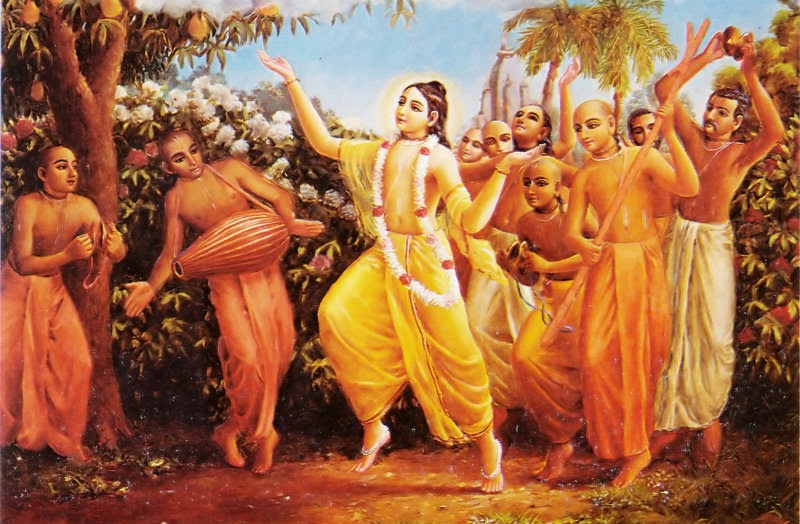
Exploring the Mridanga’s Cultural Impact: A Convergence of Media and Common Folk

Dr. Hare Krishna Halder. Abstract: The Mridanga, a traditional Indian percussion instrument, holds a unique position at the intersection of media representation and everyday cultural experiences. This paper delves into the multifaceted relationship between the Mridanga, the media that portrays it, and the resonance it finds within the hearts of common people. Examining how the Mridanga has been portrayed in various forms of media, from classical art to contemporary film and digital platforms, we aim to unravel the instrument’s evolving significance in the cultural tapestry. Furthermore, we explore how the Mridanga transcends its portrayal in media, becoming a symbol of cultural identity and connectivity for people from diverse backgrounds. This exploration encompasses the instrument’s historical roots, its portrayal in the media landscape, and its enduring presence in the daily lives of individuals, highlighting the dynamic interplay between tradition, media representation, and cultural continuity. মৃদঙ্গ : গণমাধ্যম ও সাধারণ মানুষ, ড. হরেকৃষ্ণ হালদার। মৃদঙ্গ বর্তমানে দেশে Read More …

Nazrul in the Genre of Bengali Folk Songs

Tumpa Samaddar Abstract: This exploration delves into the vibrant world of Kazi Nazrul Islam’s compositions within the realm of Bengali folk songs. Nazrul, often referred to as the “Rebel Poet,” demonstrated a profound ability to encapsulate the spirit of Bengali folk traditions in his musical creations. This study aims to unravel the intricate tapestry of his work, highlighting the fusion of poetic expression and folk melodies that characterize Nazrul’s unique contribution to the rich cultural heritage of Bengal. Through an analysis of select compositions, we uncover the socio-cultural contexts that inspired Nazrul to infuse his verses with the essence of rural life, weaving a symphony that resonates with the soulful tunes of Bengal’s folk music. Join us on this harmonious journey as we unravel the timeless allure of Nazrul’s folk-infused creations, celebrating the convergence of poetry and tradition in the Rebel Poet’s musical legacy. বাংলা লোকগীতির ধারায় নজরুল, টুম্পা সমদ্দার, সহযোগী অধ্যাপক, সংগীত বিভাগ, ঢাকা Read More …

Role and Responsibilities of Rabindra Sangeet Artists

Ankhi Roy, Assistant Professor, Department of Rabindra Sangeet, Rabindra Bharati University Abstract: Rabindra Sangeet, the musical legacy crafted by the legendary poet Rabindranath Tagore, holds a unique place in the cultural tapestry of Bengal and beyond. This musical genre encompasses a rich fusion of poetic verses, soul-stirring melodies, and intricate rhythms. The artists who choose to delve into the realm of Rabindra Sangeet inherit not only a musical tradition but also the responsibility of preserving and enriching this cultural heritage. This paper aims to explore the multifaceted role and responsibilities of Rabindra Sangeet artists in the contemporary context. It delves into the historical significance of Rabindra Sangeet, its evolution, and the distinctive features that set it apart. Moreover, it sheds light on the intricate nuances of rendering Tagore’s compositions and the challenges faced by artists in maintaining authenticity while infusing a modern touch. The responsibilities of Rabindra Sangeet artists extend beyond mere musical performance. They Read More …

An Analysis of Composer Rabindranath and the Modernity of Melody Applied in His Poetry

-Sanchita Bhowmick, (M.phil scholar, Rabindra Sangeet Department) Abstract : Rabindra Sangeet is a miraculous wonder that touches all the joys and pains of life. In hisearly life, Rabindranath, in an essay entitled ‘Sangeet O Bhav’, almost unconsciouslyexpressed the important role of his music creation. The words ‘Sangeet’ and ‘Geet’ are usedmany times in his early creations, such as ‘Sandhya Sangeet’, ‘Prabhat Sangeet’, and again inthe poem ‘Hridaye Geetdhwani’. On the other hand, Gitikavya and Kavyagiti of Rabindranathbecame both the wings of melody. Rabindranath easily turned poetry into songs and madesongs suitable for easy reading as poetry. He has combined the rhythm of the poetry and thelanguage of music. The musical inspiration of Rabindranath’s lyric poetry, ‘Kavyagiti’, hasmade it possible to bridge between his poetic language and lyrical melody. The combinationof rhyme-melody-rhythm-words also brings his life to the extreme height of the light, somany of these became ‘Param Bramha’. Also, his poems have become songs, and Read More …

Use of Music and Modernity in Rabindranath’s Plays, Stories and Poems

-Arunavo Roy Abstract : Rabindranath, as a poet, independently composed songs and set them to music. Rabindranathrelentlessly composed songs in parallel lines of poetry like love, nature, worship, homeland,etc. In melodious poetry, he has also applied the variety of the poem while maintaining thesense of the poetic image. In addition to this, Rabindranath’s dramatic literature is prolific,and almost from the early stages of his life, the poet has used music sparingly to mellow thedrama. In fact, music played a prominent role in all categories of his plays: dramas, socialdrama, and full-length drama. Also, the music in drama was not only applied merely forentertainment but for the deeper needs of poetry. For example, in the play ‘Raktakarvi’ (1926)‘Tomay Gan Shonabo’… in the voice of Bishu Pagal.Also, the skill and modernity of his novels are refined in the readability of the reader.Novelist Rabindranath and short-story writer Rabindranath are often side by side, so closethat ‘Nasthanir’ is a Read More …

বাংলা চলচ্চিত্রে আবহসংগীত ও হেমন্ত মুখোপাধ্যায়

ড. চন্দন কুমার রায়, অতিথি শিক্ষক, যন্ত্রসংগীত বিভাগ, রবীন্দ্রভারতী বিশ্ববিদ্যালয় ‘হেমন্ত মুখো পাধ্যায়‘–এই নামটি শুধুমাত্র একজন সংগীত শিল্পী-র নয়, একজন সংগীত পরিচালকের নয়, একজন বিশিষ্ট সূরকারের নয়, —এটি একটি প্রতিষ্ঠানের নাম। হেমন্ত মুখো পাধ্যায় একজন কণ্ঠসংগীত শিল্পী, এই প্রসঙ্গে যদি আলোচনা হয়, তবে আলোচনার শেষ হয় না। তাঁর কন্ঠই ছিল মনে আবেশ ধরানোর একটা বিষয়। তারপর তাঁর সাংগীতিক ভাব প্রকাশ, সংগীতের নান্দনিকতা–এগুলি বহু আলোচ্য বিষয়। কণ্ঠ-সংগীত শিল্পী হিসাবে এক কিংবদন্তী, এ বিষয়ে কারো কোনো সন্দেহ আছে বলে মনে হয় না। এরপর আসি একজন সংগীত পরিচালক ও সুরকারের কথায়। এখানেও হেমন্ত মুখোপাধ্যায় যেন একটি বিশেষ দর্শন। তাঁর সুরে অসংখ্য গান চিরন্তন হয়ে আছে। শুধু বাংলাতেই নয়, তৎকালীন বোম্বাই শহরে পৌঁছে তিনি গায়ক ও সংগীতকার হিসাবে একটা দাগ রেখে গেছেন। যদিও তিনি বোম্বাইতে বেশি কাজ করেন নি, বাংলাতেই তিনি ফিরেছিলেন এবং আরও নতুন নতুন সংগীত সম্ভারে ভরিয়ে দিয়েছিলেন শ্রোতার মন। হেমস্ত মুখোেপাধ্যায় এমন একটা যুগে অবতীর্ণ হয়েছিলেন, যে সময়ে সংগীত ছিল গায়ক-বাদক-নর্তকদের কাছে একটা সাধনা, গীতিকারের সাধনা, Read More …

টুসুগানে ক্রমপরিবর্তনশীল সমাজ ও সংস্কৃতির প্রভাব : ঐতিহ্য ও আধুনিকতা

শ্রুতি সেন সারসংক্ষেপঃ সংগীতের গতিপ্রকৃতি ও বিবর্তন সংক্রান্ত পর্যালোচনা ও গবেষণা বর্তমানে সংগীতের উপর ডিজিটাল মিডিয়ার প্রভাব এবং তার বৃদ্ধিকে নির্দেশ করে। শুধুমাত্র সংগীতের উপরেই নয়, সমগ্র শিক্ষাব্যবস্থা, ব্যবসা-বাণিজ্য প্রভৃতি বিভিন্ন ক্ষেত্রে এর সর্বাতিশায়ি প্রভাব লক্ষণীয়। তবে এই ডিজিটাল মাধ্যমের ব্যবহার খুব বেশী পুরাতন নয়, ১৫ থেকে ২০ বছর পূর্বের। অর্থাৎ ২০০০ সালের পর থেকে এই মাধ্যমের আমূল পরিবর্তন লক্ষ্য করা গেছে। কারণ, এই সময়কাল থেকে ইন্টারনেটের প্রাদুর্ভাব হওয়ায় এর ব্যবহার ব্যাপক হারে বৃদ্ধি পেতে শুরু করে, যা পূর্বে এত প্রকট ছিল না। তখন দূরদর্শনে গান গাইতে গেলে রেকর্ড করা গানই শোনানো হত, কোনরকম লাইভ টেলিকাস্টের ব্যবস্থা ছিল না। যন্ত্রানুষঙ্গের ব্যবহার কম করা হত, আঞ্চলিক গানে যন্ত্রশিল্পী থাকতেনই না, বর্তমানে এই চিত্র সম্পূর্ণ ভিন্ন। ইন্টারনেট আসার ফলে সমগ্র সংগীত ব্যবস্থায় আমূল পরিবর্তন লক্ষ্য করা গেছে। টুসু গানও এই ডিজিটাল মাধ্যমের করাল গ্রাসে আক্রান্ত। এই টুসু  মুখ্যত রাঢ়বঙ্গের কৃষি উৎসব এবং লোকগীতি। এ কথা সত্য যে, ডিজিটাল মাধ্যমের সাহায্যে পুরো বিশ্বব্যাপী এই ধরণের স্বতন্ত্র জনগোষ্ঠীর যে Read More …

Primitive Tribals in Agricultural Transformation

Anjali Dolui Abstract: This research explores the dynamic interaction between primitive tribal communities in India and the evolving landscape of farming practices. As modern agricultural methods increasingly penetrate traditional territories, this study investigates how primitive tribals navigate and respond to these changes. By employing a multidisciplinary approach, encompassing ethnographic fieldwork, socio-economic analysis, and cultural studies, the research aims to unravel the intricate ways in which these communities negotiate their age-old agricultural traditions amidst the pressures of contemporary farming transformations. Insights gained from this study contribute not only to the understanding of the adaptive strategies employed by primitive tribals but also to the broader discourse on sustainable development, cultural resilience, and the delicate balance between tradition and progress in the context of evolving agricultural practices. চাষবাস পরিবর্তনে আদিম আদিবাসী অঞ্জলি দোলই সহকারী অধ্যাপক, (সাঁওতালি বিভাগ) গভর্নমেণ্ট জেনারেল ডিগ্রি কলেজ, শালবনি, কোইমা, ভীমপুর, পশ্চিম মেদিনীপুর একটি গ্রামে লোক সংখ্যা বৃদ্ধি এবং চাষযোগ্য জমির অভাব দেখা দিলে আদিবাসীরা Read More …

Santal society in Santali music in India

Mani Barik  Abstract: This research delves into the intricate connection between Santal society and Santali music in India, aiming to unravel the profound cultural nuances embedded in the rhythmic melodies of the Santal community. By examining the historical roots and evolution of Santali music, we seek to illuminate the social fabric, values, and traditions that find expression through this unique musical form. Through a comprehensive analysis of Santali musical elements, lyrical themes, and performance contexts, this study endeavours to capture the essence of Santal identity and societal dynamics. As we navigate the melodic landscape, we uncover how Santali music serves as a mirror reflecting the ethos, struggles, and celebrations of the Santal people, fostering a deeper understanding of their rich cultural heritage. সাঁওতালি সংগীতে সাঁওতাল সমাজচিত্র  মণি বারিক, এম. ফিল. গবেষক, বিদ্যাসাগর বিশ্ববিদ্যালয়    আদিকালে সাঁওতালদের সামাজিক কার্যক্রম জন্মউৎসব, বিবাহ, সাধ্য অনুষ্ঠান করার পাশাপাশি প্রেম নিবেদনের মাধ্যম ছিল সংগীত। সাঁওতালদের মুখে প্রচলিত গানই লোকগীতি। যুগ Read More …