Yoga in Academia: Assessing Physiological, Emotional, and Cognitive Performance

  Mamani Mondal Ghosh Abstract In modern educational settings, an era of unprecedented stress, anxiety and digital overstimulation for students, holistic wellness paradigms are more frequently being added to traditional pedagogical models. This paper investigates the intentional incorporation of yoga, including physical postures (asanas), controlled breathing (pranayama), and organised meditation (dhyana), into formal academic curricula across K-12 school systems, higher education, and intensive professional graduate tracks. Drawing on contemporary neurological, physiological and psychological research, we explore how school-based yoga interventions modulate the sympathetic-vagal balance, systematically down-regulating the “fight-or-flight” response while optimising prefrontal cortex functioning. Such evidence suggests that the infusion of yoga into daily instructional schedules directly improves students’ cognitive performance, including attentional control, working memory, and response inhibition. This is associated with significant improvements in cumulative grade point averages (GPAs). Furthermore, this paper also emphasises the role of yoga in facilitating psychosocial resilience, emotional regulation, and adaptive coping skills, thereby reducing classroom disruptions and Read More …

Women, Ritual, and Emotion in the Muslim Wedding Songs of Bengal

Dr. Srabani Sen                                Associate Professor, Department of Music, Tarakeswar Degree College e-mail-dr.ssen8693 @gmail.com  Mobile no- 6290855102 Muslim wedding songs Particularly in Bengal Islamic devotion with local regional culture.These Songs are performed by women and serve as a medium for preserving communal identity, expressing emotions and documenting social life.The influence of Bengali culture has shaped a distinct tradition of folk wedding songs known as Muslim biyer geet.The lyrics of the songs cover the emotional experiences like joy, anxity and the sorrow of a daughter leaving her home.The songs are viewed as a form of cultural witness that demonstrates the creative strength and adaptation of the community. ঐতিহ্যবাহী মুসলিম বিয়ের গীত্ বাঙালি সংস্কৃতিতে লোকসঙ্গীতের যে কটি ধারা লোকসাহিত্যকে সমৃদ্ধ করেছে তার মধ্যে মুসলিম সম্প্রদায়ের বিয়ের গীত অন্যতম। এসব গীত লোকসাহিত্যের এক অমূল্য সম্পদ। দীর্ঘকাল ধরে প্রায় সব মুসলিম পরিবারের বিভিন্ন উৎসব-আনন্দে সঙ্গীত সংস্কৃতির অনুষঙ্গ হিসেবে ওতপ্রোতভাবে জড়িত। বস্তুত পক্ষে বিবাহের সূচনা থেকে একেবারে শেষ পর্যন্ত স্ত্রী আচার Read More …

জনশিক্ষা আন্দোলনের এক নিরলস সৈনিক : শক্তি মণ্ডল

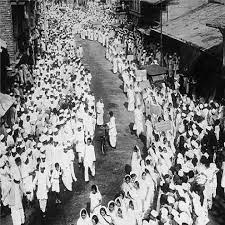
বাংলার জনশিক্ষা ও সাক্ষরতা আন্দোলনের ইতিহাসে যে ক’জন মানুষ আজীবন নিরলস নিষ্ঠা, মানবিক দায়বদ্ধতা এবং সমাজ পরিবর্তনের স্বপ্নকে সঙ্গে নিয়ে কাজ করেছেন, তাঁদের মধ্যে অন্যতম ছিলেন শক্তি মণ্ডল। তিনি শুধু একজন লেখক বা প্রাবন্ধিক নন, ছিলেন এক সমাজমনস্ক চিন্তক, সংগঠক এবং গণশিক্ষা আন্দোলনের অক্লান্ত কর্মী। আধুনিক সাক্ষরতা আন্দোলনের পথিকৃৎ সত্যেন মৈত্র ও ড. ফুলরেণু গুহ-র উত্তরসূরি হিসেবে পশ্চিমবঙ্গে তিনি জনশিক্ষা আন্দোলনকে এক নতুন উচ্চতায় পৌঁছে দেন। ১৯৪৮ সালের ১ অক্টোবর মেদিনীপুর-হুগলি-বাঁকুড়া জেলার সীমান্তবর্তী কাদড়া গ্রামে তাঁর জন্ম। গ্রামবাংলার সাধারণ পরিবেশে বেড়ে ওঠা শক্তি মণ্ডল ছোটবেলা থেকেই সমাজ ও মানুষের জীবনের বাস্তব সমস্যার সঙ্গে পরিচিত হন। ছাত্রজীবনে তিনি ছিলেন অত্যন্ত মেধাবী ও সক্রিয়। গড়বেতা কলেজ এবং পরে মেদিনীপুর কলেজে পড়াশোনার সময় থেকেই জনসেবা ও ছাত্র আন্দোলনের সঙ্গে যুক্ত হন। পরবর্তীতে কলকাতা বিশ্ববিদ্যালয়-এর সায়েন্স কলেজ থেকে মনোবিজ্ঞানে স্নাতকোত্তর ডিগ্রি অর্জন করেন। ষাটের দশকের মাঝামাঝি সময় থেকেই তিনি কৃষক ও ছাত্র আন্দোলনে জড়িয়ে পড়েন। “লাঙ্গল যার জমি তার” — এই স্লোগানভিত্তিক কৃষক আন্দোলনের সঙ্গে তাঁর গভীর সম্পর্ক ছিল। Read More …

স্মৃতির সরণী বেয়ে : পণ্ডিত শ্যামল বোস ও শঙ্কর ঘোষ

ভবানীশঙ্কর দাশগুপ্ত Abstract This memoir-based article traces personal and intergenerational memories of some of the most distinguished tabla and pakhawaj maestros of twentieth-century Indian classical music. While percussion accompaniment has always been indispensable to vocal and instrumental performance, the social status of percussionists historically remained secondary within the traditional hierarchy of Hindustani music. Through intimate recollections, the author reflects on the artistic personalities, stylistic nuances, and moral integrity of maestros such as Ustad Ahmed Jan Thirakwa, Pandit Shyamal Bose, Pandit Shankar Ghosh, and others. The narrative situates these artists within both familial and pedagogical lineages, highlighting their contributions to elevating the status of tabla accompaniment to that of a respected solo and collaborative art form. By intertwining memory, anecdote, and performance history, the article offers valuable insight into the cultural ethos, guru–shishya tradition, and evolving aesthetics of twentieth-century Hindustani percussion practice.   Keywords Hindustani Classical Music; Tabla; Pakhawaj; Guru–Shishya Tradition; Musical Memory; Accompaniment Tradition; Twentieth-Century Read More …

ভোটের প্রচারে দেওয়াল লিখনের ইতিবৃত্ত ও ভাষা-কৃষ্ণময় দাস

গবেষক, বাংলা বিভাগ, কল্যাণী বিশ্ববিদ্যালয়মেইল-krishnamoydas@gmail.com Abstract Language plays a crucial role in politics. Wall writings, posters, songs, and poems used for election campaigns give a new dimension to the Bengali language. The political language demonstrates how short words can be used to construct a sentence effectively. Many regional words are also used in political discourse. These characteristics make political campaigns more appealing to people. The language of contemporary politics is different from that of the past, and in many cases, it crosses the boundaries of decency. In modern times, various mediums of political campaigning, such as wall writings, posters, slogans in processions, and political songs, all feature the use of various satirical words. Politics has taken on a different dimension in contemporary songs and poems. Political parties are constantly busy expressing their grievances against opposing political parties. Through songs and poems, political parties convey their messages to the people. The word choices in these songs Read More …

বুদ্ধদেব গুহর ‘সাসানডিরি’ উপন্যাসে মুণ্ডা জনজীবন ও সংস্কৃতি -গনেশ কর্মকার

গবেষক, বাংলা বিভাগ, কল্যাণী বিশ্ববিদ্যালয়,   Gmail- ganeshkarmakar503@gmail.com Mob-8116275987   সারসংক্ষেপ:- বাংলা কথাসাহিত্যে একটি বহুল চর্চিত বিষয় অন্ত্যজশ্রেণির মানুষদের জীবন সংগ্রাম। রবীন্দ্রনাথ ঠাকুর তাঁর ছোটগল্পে প্রথম এই অন্ত্যজশ্রেণির মানুষের কথা বলেছেন। রবীন্দ্রযুগ থেকে বাংলা কথাসাহিত্যে অন্ত্যজশ্রেণির মানুষেরা স্থান করে নিয়েছেন। বাঙালী লেখকদের মধ্যে অনেকেই রয়েছেন যারা পশ্চিমবঙ্গ ছাড়াও বিভিন্ন রাজ্যের শ্রমজীবি মানুষ, অন্ত্যজশ্রেণির মানুষদের তাঁদের সাহিত্যে স্থান দিয়েছেন। কথাসাহিত্যিক বুদ্ধদেব গুহ তাঁদের মধ্যে একজন। বুদ্ধদেব গুহর জন্ম কলকাতার শিশুমঙ্গল সেবা প্রতিষ্ঠানে ১৯৩৬ সালের ২৯ জুন। তবে শৈশবের অনেকটা সময় কাটে রংপুরের বরিশালের কাঁচাবালিয়া গ্রামে। বুদ্ধদেব গুহর বাবা ছিলেন শচীন্দ্রনাথ গুহ , মাতা ছিলেন মঞ্জুলিকা দেবী। লেখক দশ বছর বয়স থেকেই তাঁর বাবার সাথে শিকারে যেতেন। জঙ্গলের আদিবাসী জনজাতিদের সাথে পরিচয় হয় খুব ছোট থেকেই। বুদ্ধদেব গুহ পেশায় ছিলেন একজন চার্টাড অ্যাকাউন্টটেন্ট। চাকরি সুত্রে বিভিন্ন জায়গায় গিয়েছেন বিহার, ঝাড়খণ্ড, আসাম, উড়িষ্যা সেখানকার দরিদ্র, শ্রমজীবি, আদিবাসী মানুষদের সঙ্গে পরিচয় হয়েছেন। তাঁদের জীবন-যাপন ও সংস্কৃতিকে তাঁর সাহিত্যে তুলে ধরেছেন। বুদ্ধদেব গুহ ওঁরাওদের নিয়ে লিখেছেন, কন্দ উপজাতিদের নিয়ে লিখেছেন, আফ্রিকার Read More …

Le cinéma et les Français, entre passion et regard critique – Anwesha Biswas

Designation – Lecturer, Department – French, Affiliation – Syamaprasad College, Kolkata. Email – anwesha.sept9@gmail.com   Abstract France is the cradle of cinema. France is proud of its heritage, and this is still evident today: the French love going to the movies, and Paris and small towns across the country have many cinemas even in the digital age, in addition to film clubs and film festivals that underline the importance of cinema. The film institute of the Cinémathèque française in Paris is revered; the Cannes Film Festival is the most important film festival in the world. According to some critics, French cinema has experienced its golden age. Through this study, I will attempt to analyze that the future of French cinema is not bleak, as a glimmer of hope still remains, perhaps in the form of a little firefly at the end of each tunnel. This study has three aspects; first I will discuss the origin of cinema, Read More …

Amritalal Basu: Actor, Playwright, and the Satirical Integrity of Nineteenth-Century Bengali Theatre -Dr. Srabani Sen

Associate Professor, Department of Music, Tarakeswar Degree College e-mail-dr.ssen8693 @gmail.com  Mobile no- 6290855102     Abstract Amritalal Basu (1853–1929) occupies a significant place in the history of nineteenth- and early twentieth-century Bengali theatre as an accomplished actor, playwright, director, theatre administrator, and dramatist of remarkable versatility. As one of the pioneering figures associated with the development and reform of the public stage in Bengal, he contributed substantially to the growth of modern Bengali theatre. Though a disciple of Girish Chandra Ghosh, Basu developed an independent dramatic voice, particularly distinguished by his mastery of satire, farce, and comic drama. His dramatic corpus encompasses historical, mythological, romantic, and social plays; however, his enduring reputation rests primarily on his satirical farces that targeted contemporary socio-political hypocrisy, pseudo-reformism, blind imitation of the West, religious dogmatism, and opportunistic nationalism. Through sharp wit, musical interludes, multilingual songs (Bengali, Hindi, and English), and structurally innovative dramaturgy—often revealing thematic intent through prologues and Read More …

দরজার ওপারে কালবৈশাখী

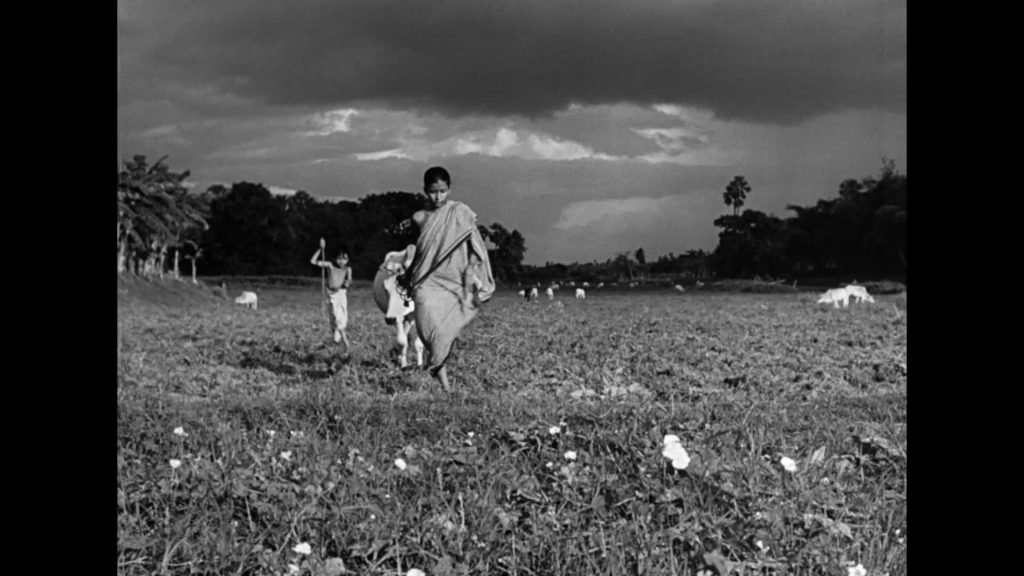
দেবজ্যোতি মণ্ডল  সংক্ষিপ্ত ভূমিকা গ্রামবাংলার নৈঃশব্দ্য, দারিদ্র্যের অন্তর্লীন সৌন্দর্য এবং একাকিত্বের অদৃশ্য সুর—এই গল্পে তারই অনুরণন। রমেন নামের এক যুবকের জীবনে একটি ভাঙা দরজা কেবল কাঠ-লোহার বস্তু নয়; সেটি তার স্মৃতি, তার উত্তরাধিকার, তার বন্ধুত্বের একমাত্র নির্ভর। কালবৈশাখীর ঝড় যেমন আকাশকে অন্ধকারে ঢেকে দেয়, তেমনি সময়ের ঝড় মানুষের চারপাশের সম্পর্কগুলোকেও ক্ষয় করে। তবু কিছু জিনিস থাকে—যা ভাঙলেও ভেঙে পড়ে না।   গল্প রমেন তিনদিন হলো ভাত খায়নি। রুটি খেয়েই আছে। ভাত খেলে তার গা বমি হয়, পেটব্যথা করে। এই ক’দিন সেঁকা, কালো, ফুটো-ফুটো রুটিগুলোই যেন তার প্রাণ হয়ে উঠেছে। তার মধ্যে দু’টুকরো আলু, একটু ঝোল মিশিয়ে চুবিয়ে খেলে তার মনে হয়—পেটের ব্যামোটা যেন ভালো হয়ে যাচ্ছে। তার স্টিলের থালাটা বহুদিনের পুরোনো। ছোটবেলায় তার বাবা কিনে এনেছিলেন। তখন থেকে আজ পর্যন্ত সেই থালাতেই সে খায়। সন্ধ্যেবেলা এলইডি বাল্বের আলোয়, মাটির দাওয়ায় বসে। তাদের বাড়িটাও বহুদিনের—টিনের ভাঙা দরজা, দাদুর আমলের। গ্রামে এমন সুন্দর দরজা তখন খুব কম মানুষেরই ছিল। ছোটবেলায় রমেন বিকেলের নরম আলোয় দেখত, তার করুণ-সুন্দর Read More …

রবীন্দ্রনৃত্যনাট্য প্রযোজনা : ‘চণ্ডালিকা’শ্রেণী, সংস্কৃতি, মানবতার অস্তিত্ব সংকট থেকে মুক্তির অভিলাষ – কোয়েল মুখার্জি

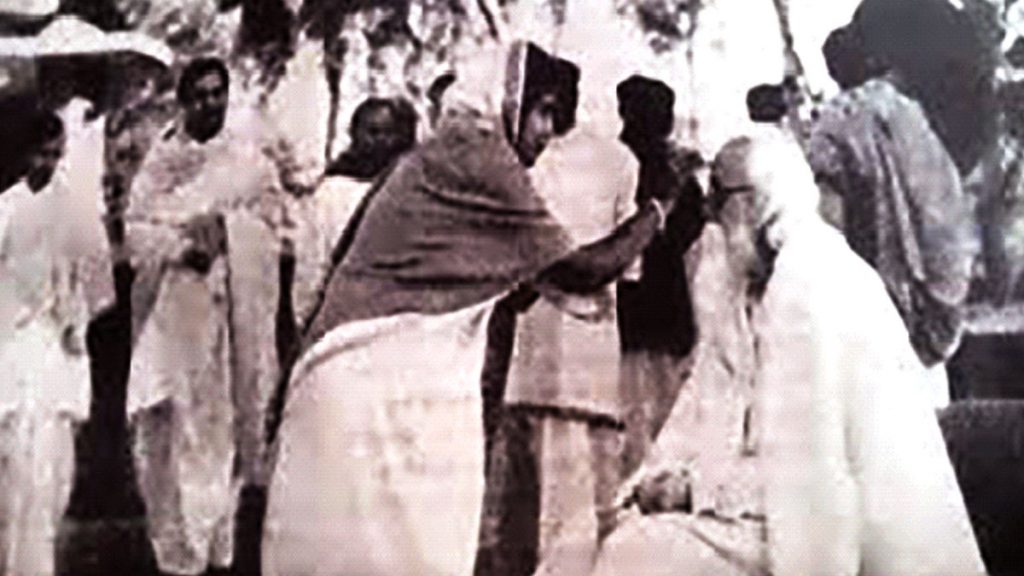
Abstract:Art functions not only as a source of aesthetic pleasure but also as a powerful medium of social awakening and ethical reflection. Rabindranath Tagore’s Chandalika, originally written as a prose drama in 1933 and later transformed into a dance-drama in 1938, emerges as a profound artistic response to the crises of caste discrimination, social exclusion, and inner human conflict. Written against the backdrop of Mahatma Gandhi’s Harijan movement, Chandalika draws upon a Buddhist legend to challenge the legitimacy of untouchability and to affirm the universality of human dignity. This paper examines Chandalika as a Rabindra dance-drama production that negotiates multiple layers of crisis—social, psychological, and spiritual. On the surface, the narrative critiques the oppressive caste structure that marginalizes the Chandal woman Prakriti; at a deeper level, it explores the conflict between desire and renunciation, illusion (maya) and realization, body and spirit. Through the compassionate act of Ananda and his declaration—“That human am I, and that Read More …