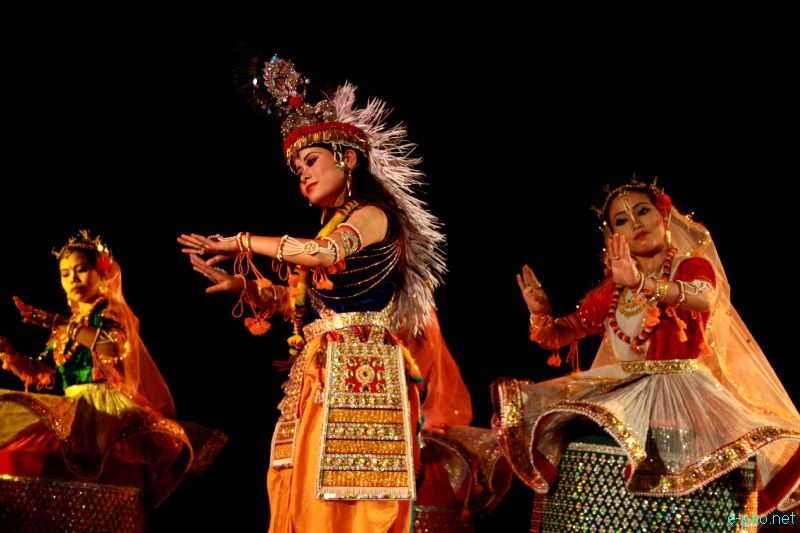
Contribution Of Devdasis in BharatNatyam Dance
Nrityachuramani Rahul Dev Mondal (Assistant Professor , Rabindra Bharati University,Department of Dance) The generic Sanskrit term devadasi (“servant of god”) refers to a multiplicity of female communities, known by regional names such as devaradiyal (“slave of god”), bhogam (“embodiment of enjoyment”), kalavati (“receptacle of the arts”), and gudisani (“temple lady”). The women of these communities were the hereditary proprietors of a cultural practice that emerged as “Bharatanatyam” in the early part of the twentieth century. Devadasis performed in temples, royal courts, and at private soirees of the elite classes, often held on occasions such as marriages. Each of these contexts had its own set of dance and music compositions, though there was also a natural overlap, and technique and texts could sometimes be transferred from one context to another. The most artistically developed of dances were performed in the royal court and not in the temple. The court or salon Read More …