ASTANGA YOGA

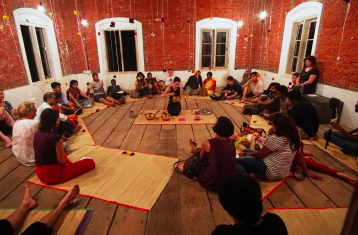
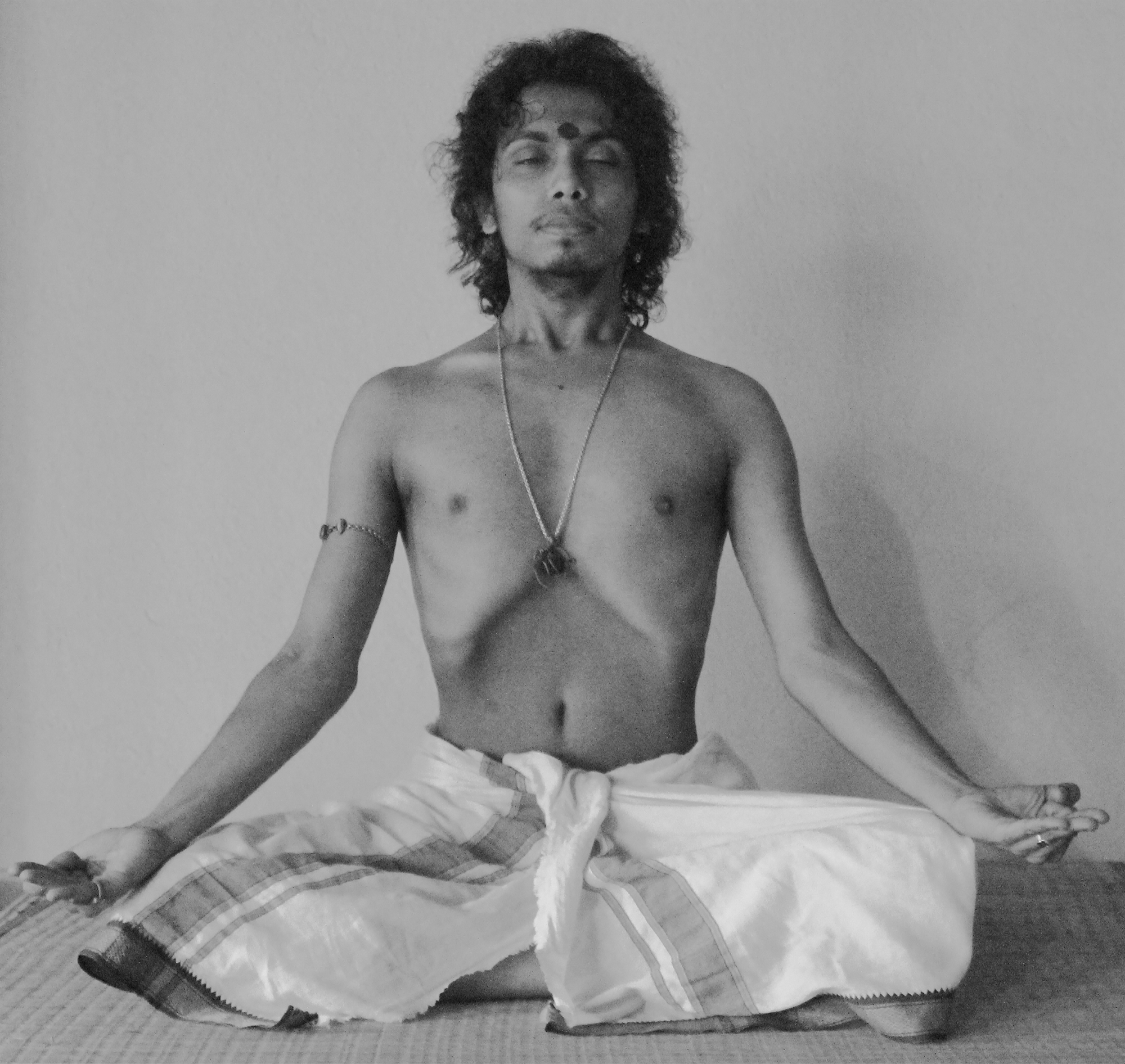
NrityaChuramani Rahul Dev Mondal ( Assistant Professor, Rabindra Bharati University, Department of Dance  ) 1.1 Introduction about Yoga / Yoga Definition  Yoga is essentially a spiritual discipline based on an extremely subtle science that focuses on bringing harmony between mind and body. It is an art and science of healthy living. The word ‘Yoga’ is derived from the Sanskrit root ‘Yuj’, meaning ‘to Join’ or ‘to yoke’ or ‘to unite’. As per yogic scriptures, the practice of yoga leads to the union of individual consciousness with that of the universal consciousness, indicating a perfect harmony between the mind and body, man and nature. According to modern scientists, everything in the universe is just a manifestation of the same quantum firmament. One who experiences this oneness of existence is said to be in yoga and is termed as a yogi, having attained to a state of freedom referred to as ‘Mukti’, Read More …

অরুণ মিত্র:একাধারে জীবন রস রসিক ও মগ্ন ধ্যানী কবি

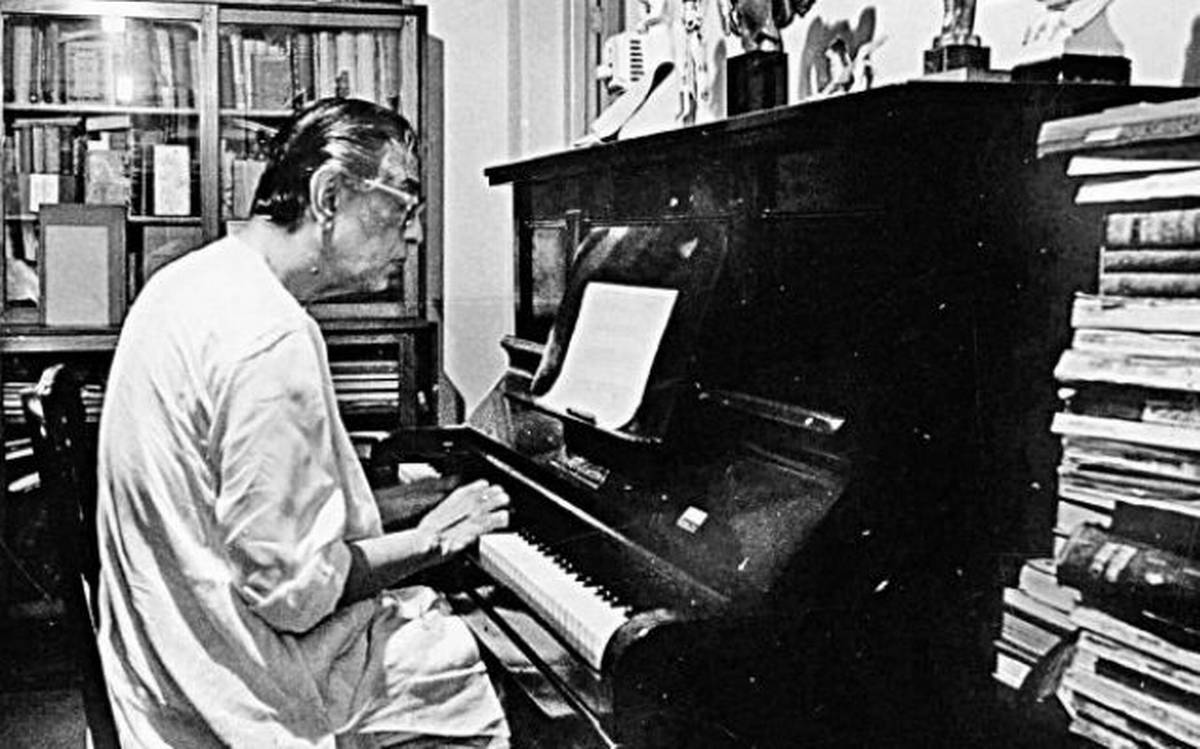
ড. ইরাবতী মণ্ডল দমদম মতিঝিল কলেজ আপাত নিরীহ,প্রকৃতির সৌন্দর্য অবগাহনে ভালোবাসার রস সিঞ্চনে সদাই যাযাবর, অথচ বুকের গভীরে সদা জাগ্রত বিবেকের খোঁচা, সময় নদীর প্রবহমানতায় আপ্লুত স্নান করেও নৈঃশব্দের নির্জনতায় আত্ম জিজ্ঞাসায় ও আত্ম বীক্ষণে সর্বদাই একই সঙ্গে এক জীবন প্রেমিক ও মগ্ন ধ্যানী কবি অরুণ মিত্র।অরুণ মিত্র (২নভেম্বর,১৯০৯–২২শে আগস্ট,২০০০)ছিলেন রবীন্দ্রোত্তর বাংলা সাহিত্যের অন্যতম প্রথিতযশা কবি, ও ফরাসী ভাষা ও সাহিত্যের খ্যাতনামা অধ্যাপক ও অনুবাদক।তিনি যশোর জেলায় জন্ম গ্রহণ করেন। তাঁর কয়েকটি কাব্য গ্রন্থের নাম, প্রান্তরেখা(১৯৪৩),উৎসের দিকে (১৩৫৭),ঘনিষ্টতাপ(১৯৬৩),মঞ্চের বাইরে(১৯৭০),শুধু রাতের শব্দ নয়(১৯৭৮),প্রথম পলি শেষ পাথর (১৯৮০), শ্রেষ্ঠ কবিতা (১৯৮৫)। প্রথম থেকেই সদা জাগ্রত বিবেকবান কবি বাংলাদেশের রাজনৈতিক আন্দোলনে মধ্যবিত্ত শ্রেণীর নেতৃত্ব দেখে হতাশ হয়েছিলেন।তিনি বুঝেছিলেন আত্মদংশনে–এ কারণেই বাংলাদেশের রাজনৈতিক আন্দোলনের ভূমিকা বড় করুণ,মর্মান্তিক, বড় বেশি অন্তঃসারশূন্য।তাই তিনি মানব স্বাধীনতার প্রতিষ্ঠায় কৃষিজীবী শ্রমজীবী মানুষের অভ্যুত্থান কামনা করে বলতে বাধ্য হন– “প্রাচীর পত্রে অক্ষত অক্ষর তাজা কথা কয়,শোনো; কখন আকাশে ভ্রুকুটি হয় প্রখর এখন প্রহর গোনো। উপোসী হাতের হাতুড়িরা উদ্যত, কড়া-পড়া কাঁধে Read More …

সংগীত-ভাবুক রবীন্দ্রনাথ : ‘সঙ্গীতচিন্তা’র আলোয়-ড. রাজশ্রী ভট্টাচার্য

Abstract This paper examines Rabindranath Tagore’s philosophy of music in the light of his essays and letters, particularly those collected in Sangit-Chinta. It traces the evolution of Tagore’s musical thought from his early belief that music serves primarily as a vehicle for expressing poetic emotion to his mature understanding of the autonomous aesthetic power of melody. Through a close reading of his essays such as Sangeet o Bhab, Bangla Shabda o Chhanda, Gan Sambandhe, Sangeeter Mukti, and Amader Sangeet, along with selected letters, the study highlights the dynamic interplay between word (bani) and melody (sur) in his creative vision. The paper demonstrates how Tagore ultimately rejected the hierarchical opposition between poetry and music and instead articulated a philosophy of their organic unity. In his later years, this synthesis of lyric and tune became central to his artistic practice, embodying a distinctly Bengali cultural identity. The study argues that Tagore’s mature Read More …

An Introduction to the Musical Concepts of Satyajit Ray

SUBHADRAKALYAN The world of Indian cinema experienced a storming change with the arrival of Pather Panchali in the year 1955, directed by a student of fine arts at the Kalabhavan, Shantiniketan and a former worker at the British-run advertising agency, D.J. Keymar, Satyajit Ray, the only Indian filmmaker to win the Oscar. However, Ray’s cinema would continue to reflect his own insight and depth of his knowledge on literature, society, history of culture and many more such things that concerned a medium that would appeal most to the human beings. Pather Panchali was surely a revolutionary film in the field of Indian cinema, pertaining to the films made in the pre-Pather Panchali era and the subsequent four films that Ray made, such as Aparajito, Parash Pathar, Jalsaghar, Apur Sansar and Devi, held a strong foundation over the early 19th century Bengal in varied dimensions. I distinctly omit Teen Kanya in Read More …

Bengali Nationalism Movement, Language, and Melodies

Dr. Debasish Mandal Abstract: This exploration delves into the multifaceted tapestry of Bengali identity, unravelling the historical narrative of the Bengali nationalism movement, the significance of the Bengali language, and the evocative melodies that have woven the cultural fabric of the Bengali community. From the fervor of the independence movement to the linguistic and cultural renaissance, this study navigates the socio-political landscape that shaped Bengali nationalism. Furthermore, it examines the pivotal role played by the Bengali language as a symbol of cultural resilience and unity, transcending geographical boundaries. Lastly, the analysis extends to the realm of Bengali songs, elucidating their role as carriers of emotions, traditions, and societal reflections, fostering a deep connection between the past and the present. Through this comprehensive exploration, a nuanced understanding of the rich cultural heritage of the Bengali people emerges, highlighting the intricate interplay between nationalism, language, and the expressive power of music. বাঙালি Read More …

Rights of Mundas in Mahasweta Devi’s ‘Aranyer Adhikar’

Irabati Mondol Abstract: Mahasweta Devi’s novel, ‘Aranyer Adhikar,’ delves into the intricate tapestry of the Munda community’s rights in the backdrop of socio-political complexities. The narrative unfolds in the dense forests of Jharkhand, shedding light on the struggles and resilience of the Mundas, an indigenous group. As the characters grapple with displacement, exploitation, and the erosion of their cultural heritage, the novel becomes a poignant exploration of the rights denied to the Mundas. Through a powerful narrative, Mahasweta Devi magnifies the importance of understanding and preserving the rights of marginalized communities in the face of oppressive forces, inviting readers to reflect on the broader implications of social justice and human rights. অরণ্যের অধিকার : মুণ্ডাদের অধিকার রক্ষার আবহ সঙ্গীত, ইরাবতী মণ্ডল, অধ্যাপিকা, দমদম মতিঝিল কলেজ জনজাগরণ মূলক সাহিত্যের ক্ষেত্রে গান এক বিশেষ ভূমিকা পালন করে। গান এমন একটা জিনিস যার সুর-তাল-লয় মানুষের মনে গভীর ভাবে প্রভাব বিস্তার করে। মানুষের মধ্যে Read More …

A Short History of Masidkhani Gat and Baaj

Bhabanishankar Dasgupta The VILAMBIT (slow) GAT compositions set to TEENTAL (16 beat rhythm) which are played on stringed instruments such as SARODE, SITAR, ESRAJ or SARENGI are referred to as MASIDKHANI GATS.MASID KHAN, a venerable maestro was the creator of this particular genre. Formerly the style introduced by AMIR KHUSRU was followed by most instrumentalists. KARIMSEN, the great grandson of TANSEN was a proficient BEEN and RABAB player. His grandson MASID KHAN brought about a revolutionary change in the previous conventions of instrumental music and successfully trained his son BAHADUR KHAN in his individual style. BAHADUR KHAN or BAHADUR SEN assiduously followed the style introduced by his father and subsequently his descendants created the JAIPUR BAAJ or musical technique on the basis of this style. The MASIDKHANI style was created according to the conventions of VILAMBIT (slow) KHEYAL and the main techniques of instrumental music, such as JOD, TODA and Read More …

Vidushi Purnima Chowdhury : An Artiste with a Motherly Heart

Bhabanishankar Dasgupta 1 Michal Madhusudan Dutta the legendary Bengali poet once said about Iswar Chandra Vidyasagar—“This time I have appealed to a person who has the wisdom of an ancient sage, the energy of an Englishman and the heart of a Bengali mother. If any artiste had the heart of a Bengali mother she was none other than Vidushi Purnima Chowdhury. with an affectionate heart and an amiable smile Purnima aunty was so popular specially with young singers and musicians that her very presence invigorated them and inspired them to perform well. with maternal affection she always encouraged them and advised them to maintain their pursuit of music sincerely. In DECEMDER 2010 I gave a Sarode recital at ALL INDIA MUSIC FESTIVAL organized by M. N. Sarkar (Hari Babu). when I had just finished my recital and was about to leave the stage, Purnima aunty arrived. On a sudden impulse Read More …

ভিন্ন গলা, ভিন্ন গান : কন্ঠসাধনার সাধারণ নিয়ম

নূর নবী মিরণ বাংলাদেশ  গান ভিন্ন ভিন্ন কিন্তু গলা সাধার ধরণ এক এই ধারণাটি অনেকের কাছেই নতুন বলে মনে হতে পারে। কেননা আমাদের দেশে এই ধরনের কথা সম্ভবত এর আগে তেমন কেউ শুনেননি। যে কথাটি বহুল প্রচলিত এবং প্রচারিত তাহলো ক্লাসিক্যাল গান অর্থাৎ হিন্দুস্থানী সংগীত চর্চা করতে হবে। হিন্দুস্থানী সংগীত চর্চা না করলে গান গাওয়ার গলা তৈরি হবে না এবং তার স্থায়িত্ব থাকবে না। আমাদের বাংলা গানের বেশ বড় একটি অংশ দখল করে আছে রবীন্দ্র সংগীত। আরো একটি অংশ আছে নজরুল সংগীত। প্রায় বিপরীত ধারার এই দুই ধরনের গান আপন মহিমায়, রঙে, রূপে, বৈচিত্র্যে নিজস্ব আসন তৈরিতে সমর্থ হয়েছে। এ হলো এককভাবে দুইজন গীতিকবির কথা। এছাড়া আরো যে কয়টি বাংলা গানের ধারা আছে তারমধ্যে আর একটি বড় অংশ হচ্ছে বাংলার লোকসংগীত। এটিও নিজস্ব ঢঙে মহিমায় সমুজ্জ্বল। আরো অনেক রকমের গান থাকলেও আলোচনার সুবিধার জন্য আমি এই তিনটি ধারার মধ্যেই আমার উপমাকে সীমিত রাখতে চাচ্ছি। এই তিন ধরনের গানের গাওয়া ধরনের Read More …

তাহাদের কথা

অনিন্দ্য বন্দ্যোপাধ্যায়। তখনকার দিনে লোকজনদের ধারণা ছিল বাঁশি বাজালে ‘থাইসিস’ হয়। ফলে এআত্মীয় সজন পাড়া-পড়শীরা ভয় দেখাতে শুরু করলেন সাত বছরের বালক গৌরকে। কিন্তু সোভাগ্য এই যে ওর মা-বাবা ওদের কথায় ভনা পেয়ে বরং আরও বেশি উৎসাহ দিতে লাখালেন বাঁশি বাজাতে। সঙ্গীত তখনকার জনমানসে ছিল অপরাধের কাজ। ঠিক সেই সময়ে সঙ্গীতকেই জীবনের সঙ্গী করে ছিলেন সুপরিচিত বংশীবাদক গৌর গোস্বামী। মহাপ্রভু শ্রীচৈতন্যদেবের লীলাসঙ্গী শ্রীশ্রীনিত্যানন্দ মহাপ্রভুর বংশধর গৌর গোস্বামীর দাদু বলাইচাদ গোস্বামী শুধুমাত্র পণ্ডিতই ছিলেন না খেয়াল, ধ্রুপদ গানের চর্চাও করতেন। একই পথের পথিক ছিলেন বাবা বীরেশ্বর গোস্বামীও | বাড়িতে প্রায় গানের আসর বসত আর ছোটবেলা থেকেই গেীর ছিল সেইসব আসরের শ্রোতা। ছােটবেলা থেকেই বাঁশির সুর গেীরকে পাগল করতে। সাত বছর বাসে চড়কের মেলা। থেকে কিনে আনা একটা ছোট বাঁশিতে হয়েছিল সরগমের সঙ্গে তঁর প্রথম পরিচয়। বড়দাদা ব্রজেশ্বর বাজাতেন বীণা, সুরবাহার ও সেতার অত্যন্ত দক্ষতার সঙ্গে। ফলে এই দাদা হয়েছিলেন গৌরের প্রথম গুরু। দিদি গান শিখতেন সতীশ চট্টোপাধ্যায়ের কাছে। সেই সুবাদে গৌরের Read More …