Expressions of Rebellion and Protest: A Study of Kazi Nazrul Islam

Ms Amrita Majumdar, Asst.Prof.Dept.Of Music, Bankua Zilla Saradamani Mahila Mahavidyapith. Bankura University, West.Bengal                          Abstract Kazi Nazrul Islam was a Bengali Poet, Musician, revolutionary and a Philosopher who is best known for Pioneering works of Bengal Poetry. He is popularly known as Bidrohi kobi -rebel poet- as many of his works show case an intense rebellion against oppression of human slavery. Hatred and tradition. He called as the Bulbul or Nightingale of Modem Bengal music. In this paper I would like to describe the ideological stand point and aesthetical beauty of his creative works. His believe about Nationalism is entirely differ from Gurudev Rabindranath. Through his poetry and songs he spoke about the secularism. Introduction Kazi Nazrul Islam popularly known as revolutionary artist in the modern world of literature and music. His contributions in literature and music are widely influenced in the renaissance movement of Bengal that has been spread over across the country. His Read More …
Nature in Rabindranath Tagore: Songs of Summer and Monsoon

Dr. Rajashree Bhattacharya, Associate Professor, Bengal Music College Abstract This paper examines Rabindranath Tagore’s concept of nature as expressed in his seasonal songs, with special reference to the songs of summer (Grīṣma) and monsoon (Barṣā). It explores how Tagore’s engagement with nature evolved across different phases of his creative life and attained a profound, multidimensional depth during his Santiniketan years. Through a close aesthetic and thematic analysis of selected songs, the study highlights the interrelationship between nature, human emotion, and inner consciousness in Tagore’s music. The songs of summer reveal a complex interplay of austerity, memory, inner contemplation, and subdued lyricism, while the monsoon songs embody a wide spectrum of emotions—anticipation, joy, longing, separation, remembrance, existential solitude, movement, and the aspiration for freedom. In these compositions, nature transcends its descriptive role and emerges as a symbolic medium through which the poet articulates philosophical reflection, emotional intensity, and spiritual realization. The paper argues that Tagore’s seasonal Read More …

Ustad Inayet Hussain Khan : A Gracious Musician of Bygone Days

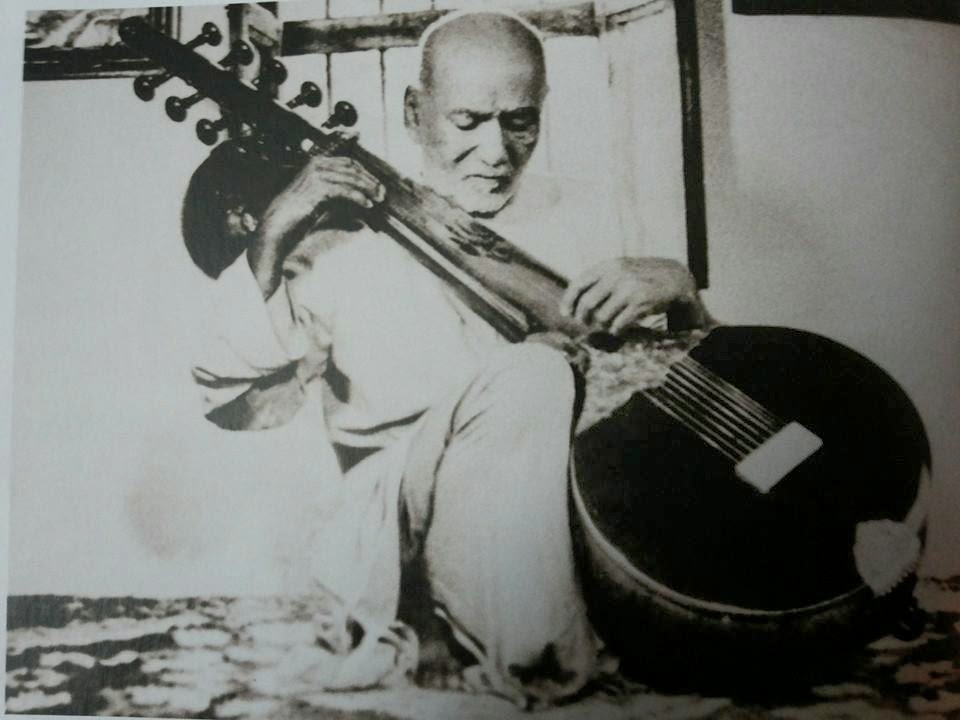
Bhabani Shankar Dasgupta 1 During the later decades of the 20th Century music gradually turned into a lucrative trade for some performers who became top ranking artistes. They demanded exorbitant remunerations for their recitals and impresarios were forced to satisfy their demands only to draw a large audience to their concerts. The young maestros of the 21st Century are demanding even greater amounts and concert organizers cannot but pay such fabulous sums to them. They are doing so, only because they want a large number of listeners who are so infatuated with these maestros that they are ready to squander all their savings only to hear them. But during the later decade of the 18th century and the early decades of the 20th Century the scenario was totally different. Eminent virtuoso never hankered after wealth or property. They wanted musically educated listeners who had the grey matter to appreciate their recitals. While my grandfather was Read More …

Sound, the Threshold of Spiritual Science

Dr. Ashis Chakraborty “If you want to find the secrets of the universe, think in terms of energy, frequency and vibration.  The very foundations of our Universe, of matter and thought, appear to lie in sound vibration.” Nikola Telsa World, inner, and the outer, two different outlooks with different profiles, are existing. The outer world, to a very negligible extent is reachable for us but the inner world we don’t even bother to focus normally, thus knowledge for the same is far away from us. But it is very wondering that, by nature we are seekers, all, even who is not attracted to inner self or ready to believe its existence. Seeking is an expedition towards the unknown. A group of seekers from Eastern and western culture started looking for the source of the Universal power- directly or indirectly, through sound. Amongst them some tend to focus only on the facts of sound to its Read More …

Empowering Minds: A Historical Analysis of Women’s Education in Bengal Over 170 Years

Dr. jayanti Mandal Abstract: During the last time of the second half of the nineteenth century, the status of girls in Bengal reflected a complex societal landscape. Despite the abolition of sati-dah, the clandestine practice persisted in various parts of Bengal. Polygamy, child marriage, and the prevalence of the Gauridan society further underscored the challenges faced by women. The society’s opposition to Ishwarchandra Vidyasagar’s advocacy for widow marriage added to the tumultuous environment. Against this backdrop, the idea of girls’ education seemed implausible. In April 1848, Drinkwater Bethune, the President of the Education Council of India, arrived in Bengal. Collaborating with scholars like Madanmohan Tarkalanka and Ishwarchandra Vidyasagar, Bethune recognized the urgent need to address the plight of girls in Bengal through education. Understanding that education was crucial for girls to break free from superstitions, Bethune, with Vidyasagar’s support, embarked on a mission to educate women. The initial challenge was the establishment of schools. Suhrid Read More …

Modern Concept of Bani and Gharana in Dhrupad Sangit

BHASWATI SARMA Introduction: Dhrupad is the earliest known grammatical basis of Indian Music. Being one of the bearers of HINDU culture, Dhrupad is very ancient and carries traditional style. Hence, it influences other styles of Indian music derived from it or originated later. Dhrupad occupies a significant place in Hindustani Music. This genre of music is essentially unique while unfurling a Ra̅ga in its authentic style or presenting it keeping its feeling intact throughout. Dhrupad can also be defined as an image or reflection of ancient “Jatigaan” and “Chandaga̅na” or “Prabandhaga̅na”. Historically reporting, this style has evolved from “Dhruba̅ Prabandha” of “Prabandhaga̅na”. According to some scholars, the musical background of dhrupad is traceable back to the Vedas themselves. The lyrics and music of Dhrupad is excellent for its colorful “ala̅pcari” (singing uniqueness), layaka̅ri (different rhythmic structure), jhor, upaj etc. Veterans in music like Tansen, Swami Haridas etc. have shown expertise in performing Dhrupad. Dagar Brothers Read More …

Alauddin Khan and his Modern Sarod

Pt. Anindya Banerjee Ustad Alauddin Khan is widely regarded as the person most directly responsible for transforming the sarod and the style of music played upon it into the form heard today. In the broadest terms, Alauddin Khan integrated desperate elements originally associated with different parts of the overall instrumental music tradition into a unified whole, within which a raga can be developed utilizing a broad range of techniques and genres. The result is a format that allows complete exposition of the moods and facets of the raga as a performer is capable of expressing during the course of a given performance. The format of raga development and presentation that he pioneered on sarod has been applied through his teachings and the teachings of his disciple, to all of the other instruments used in the performance of North Indian classical music, including sitar, violin, flute, santoor and guitar. Perhaps no other single musician has had Read More …

Globalization, Contemporary Film and Literature

Dr. Pratiti Pramanik DeGobardanga Hindu CollegeMusic Dept. AbstractGlobalization is an international situation that emerged in the late 20th century in which the world’s investment, employment, production and marketing systems have spread beyond national borders to the domestic sphere. It is a method of creating traditional activities and interconnections that initiate coordination and interaction between government institutions and peoples of different nations.  The driving force behind this approach is international trade and investment and its main enabler is information technology.  Western thought, literature, visual arts, drama etc. were transmitted through colonial rule.  In particular, this interaction of the West with the ancient civilization of India gave a dynamic to our intellectual practice and artistic thinking.Currently, the flight of urbanization is high in Bengali films.  The context of Bengali films has now moved from the country to abroad in  and the thoughts and clothes have a touch of modernity. Key notes –  Globalization, Information technology, Bengali films, Read More …

বাচিক শিল্পের জন্য সর্বাধুনিক কণ্ঠ অনুশীলন প্রক্রিয়া : সাধারণ ধারণা ও বিজ্ঞান

নূর নবী মিরণ ১ আমাদের দেশে বাচিক কাজের প্রয়োজনে গলা সাধার বিষয়ে বিভিন্ন জনের বিভিন্ন মত। বাচিক কাজ বলতে আমি যেটা বুঝাতে চাচ্ছি তা হচ্ছে গান করা, অভিনয় করা, আবৃত্তি করা ইত্যাদি যেকোনো ধরনের কাজ যাতে কথা বলার সম্পৃক্ততা আছে এমন কাজের কথা বোঝাবার চেষ্টা করছি। এইসব কাজের ব্যবহারিক প্রক্রিয়ায় ঢোকার পর দেখতে পেলাম প্রত্যেকটা মাধ্যমের ক্ষেত্রে মাধ্যমের সাথে যারা সম্পৃক্ত, যারা যুক্ত, যারা মাধ্যম নিয়ে ভাবেন, ভিন্ন ভিন্ন মাধ্যম নিয়ে ভাবেন, কাজ করেন যেমন – গান, কবিতা, অভিনয় এইসব মাধ্যমে যারা কাজ করেন তাদের একটা ধারণা হলো গলার সাধার ক্ষেত্রে অর্থাৎ ভয়েস ট্রেনিং-এর বেলায় প্রত্যেকটা মাধ্যম অনুযায়ী আলাদা আলাদা ট্রেনিং প্রক্রিয়া হওয়া প্রয়োজন। গান করা, কবিতা পড়া, অভিনয় করা, অনুষ্ঠান উপস্থাপনা করা বা সংবাদ পাঠ করা ইত্যাদি বাচিক কাজগুলোর গোড়ার দিকে আমাদের নজর দেয়া দরকার। এসব বাচিক কাজের গোড়ার দিকে নিগুঢ় ভাবে তাকালে দেখা যাবে প্রত্যেকটি বিষয়ের ক্ষেত্রে কথা বলাটা মূলভিত্তি। বিষয়টিকে অন্যভাবে বললে দেখা যায় উল্লেখিত বিষয়গুলোর মূল কাজ হলো কথা বলা। এই Read More …

রাঢ় বঙ্গের গান : বৈশিষ্ট্য ও বৈচিত্র্য

ড: সোমা দাস মণ্ডল, অধ্যাপিকা, অ্যাডামস বিশ্ববিদ্যালয় রাঢ় বঙ্গের বৈচিত্র্যময় সংগীত ও লােক সাংস্কৃতিক অজস্র উপকরণ রয়েছে। যা রাঢ় অঞ্চলের গ্রাম বাংলার জনপদগুলিতে ছড়িয়ে আছে। বিহার, ঝাড়গ্রাম ও ওড়িষ্যার সীমান্তবর্তী জেলাগুলিতে মিশ্র সংস্কৃতির প্রভাব লক্ষ্য করা যায়। রাঢ় বঙ্গের বিভিন্ন আদিবাসী জনগােষ্ঠীর বাস। তাদের ভাষা ও সংস্কৃতির মধ্যে অনেক পার্থক্য থাকলেও ক্রমে তা সাধারণ লােকসংস্কৃতিরই অন্তর্ভুক্ত হয়ে পড়ে। রাঢ় অঞ্চলের লােকসংস্কৃতিকে জানা ও বােঝার জন্য রাঢ় অঞ্চলের রুক্ষতা, জনজাতি, প্রাকৃতিক ও ভৌগােলিক অবস্থান ইত্যাদি জানা বিশেষ গুরুত্বপূর্ণ। রাঢ়বঙ্গের লােকসংস্কৃতির যে বৈচিত্র্যপূর্ণ রূপরীতির অস্তিত্ব আমরা পেয়ে থাকি, তা গড়ে ওঠার পেছনে কয়েকটি বিশেষ কারণ ব্যাখ্যা করা যেতে পারে। যার মধ্যে ‘বঙ্গ’ শব্দ যুক্ত হয়ে রাঢ়বঙ্গ পরিভাষার উৎপন্ন। এস্থলে পৃথকভাবে বঙ্গের কিছু আলােচনার প্রয়ােজন আছে বলে আমার মনে হয়। রাঢ় অঞ্চলের লােকসংস্কৃতিকে জানা বা বােঝার জন্য রাঢ় অঞ্চলের রুক্ষতা, জনজাতি, প্রাকৃতিক ও ভৌগােলিক অবস্থান ইত্যাদি জানা বিশেষ গুরুত্বপূর্ণ। রাঢ় ও বঙ্গের পরিচয়  রাঢ় অঞ্চলের যে সংস্কৃতির পরিচয় আমরা প্রাচীনকালে পেয়ে থাকি তা পরবর্তীকালে অনেক বিবর্তিত হয়েছে ঐতিহ্যপূর্ণ Read More …