দ্রোহকাল- দেবাশিস মণ্ডল

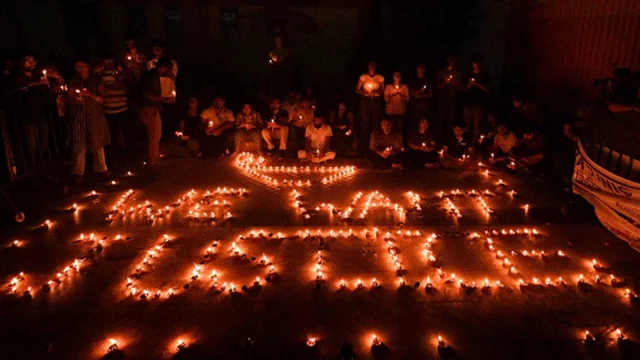
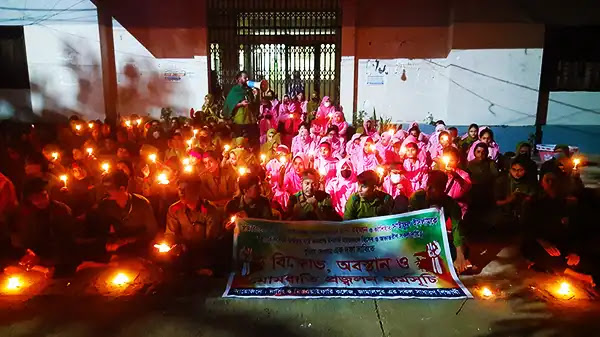
সময়টাকে নাম দেয়া হয়েছে দ্রোহকাল। আর জি কর এখন শুধু একটি হসপিটাল নয় একটি আন্দোলনের অভিমুখ বা কেন্দ্রবিন্দু হিসাবে পশ্চিমবঙ্গ  থেকে সারা দেশ এবং সারা পৃথিবীতে পরিচিত নাম। আন্দোলনটা শুধুমাত্র একজন চিকিৎসকের হত্যা ধর্ষণ অত্যাচারের ঘটনা নয়, ঘটনার সঙ্গে জড়িয়ে আছে আরজি কর হাসপাতালের পরিসর ছাড়িয়ে পশ্চিমবঙ্গের সরকারি ব্যবস্থা, রাজনৈতিক ক্ষমতার লোভী একশ্রেণীর অমানুষদের বৃহৎ ষড়যন্ত্রকারী ব্যবস্থা। হিংস্র দানবীয় ক্ষমতার অধিকারী,  অর্থলোভী মানুষদের যে সিন্ডিকেট, তার বিরুদ্ধে চিকিৎসক ও সর্বসাধারণের এক তীব্র ধিক্কার আন্দোলন। সেখানে এই সরকারের একনায়কতন্ত্র কায়েম করার জন্য চিকিৎসকদের মধ্যে চিকিৎসা ব্যবস্থার মধ্যে গভীর কদর্যতা হিংস্রতা এবং অর্থ উপার্জনের এক চরম ষড়যন্ত্রমূলক ব্যবস্থা গড়ে তোলা হয়েছে। যা হাসপাতালের ভিতরকার সুচিকিৎসক ছাত্র, নার্স, কর্মী বাহিনী সবার কাছেই স্পষ্ট থানার সমস্ত অফিসাররাই তা জানেন, রাজনৈতিক নেতারা এখানে দিনে দুপুরে রাতে সব সময় অবাধ বিচরণ করার অধিকার নিয়ে নিজেদের কর্তৃত্ব প্রতিষ্ঠা করে রেখেছে। আর সমস্ত ব্যবস্থাটিকে টিকিয়ে রাখার জন্য রাজ্যের প্রধান ক্ষমতাধর যে মানুষটি তিনি তার ক্ষমতাকে সেভাবেই নিয়ন্ত্রণ করার জন্য পরিকল্পনার সঙ্গে প্রত্যক্ষভাবে যুক্ত Read More …
পোক্ত খেলোয়াড়

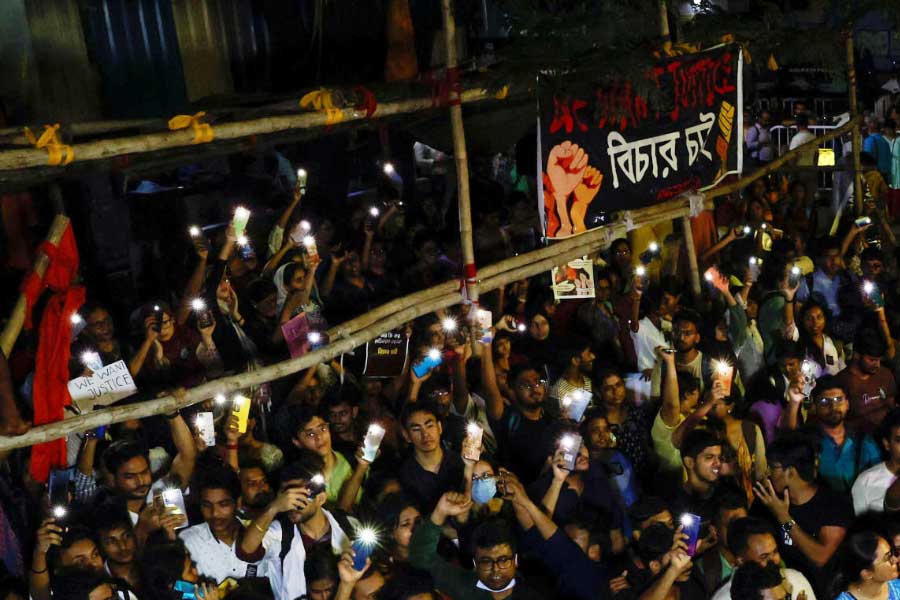
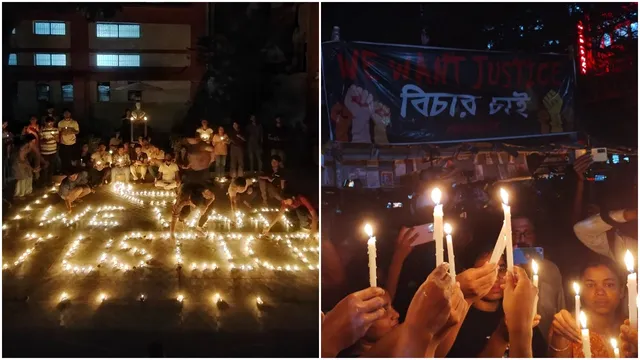
   প্রত্যয়ী মল্লিক পাইনি তো সে বিচার এখনো পঞ্চাশ দিন তো প্রায় সম্পূর্ণ, সবার ঘরে হাজার টাকা দিয়ে  করছো চুরির ফন্দি ?  লজ্জা হয়নি তোমার এখনো পার করে নিজের গণ্ডি?  তুমি আবার নাকি রাজ্য শাসক  মূর্খদের মন্ত্রী!  তোমার জন্য বাড়ছে ধর্ষক, মজুরি না পেয়ে মরছে কৃষক, দশ লক্ষ ? মানুষ তুমি ? আড়াল করো নির্যাতক ? চাইছো তুমি বিচার আবার!   পোক্ত খেলোয়াড়  

কখন যেন

শংকর কুশারী সবার চোখের অলক্ষ্যে, সবার অজান্তে,  কখন যেন মরে গেলো মেয়েটা  মেয়েটা অমলকান্তি হতে চেয়েছিলো, অমলকান্তির মতো রোদ্দুর হতে চেয়েছিলো ।  মেঘেদের সাথে লড়াই করে  রোদ্দুর ছড়িয়ে দিতে চেয়েছিলো  এই বন্ধ্যা জমির বুকে ।  রোদ্দুরে ভরিয়ে দিতে চেয়েছিলো  আকাশের সুনীল ক্যানভাস । বাঁচতে চেয়েছিলো, বাঁচাতে চেয়েছিলো  এই সবুজ পৃথিবীটাকে ।  লড়াই করতে করতে ক্ষতবিক্ষত রক্তাক্ত শরীরটা  দুমড়ে মুচড়ে গেছিলো অসহ্য যন্ত্রণায়।  প্রাণপণ লড়াইয়ের শেষে  তার নিস্পন্দ শরীরটা পড়ে রইলো অনাদরে  তার বড়ো সাধের সাধনাস্থলের এক কোনে ।  মরে গেলো মেয়েটা । সুদূর নীহারিকা মন্ডলের গোপন কুলুঙ্গিতে থেকে গেলো শুধু শেষ কটা কথা … “রাতের খাওয়াটা এবারে খেয়ে নাও মা,  আর দেরি কোরো না .. বাপিকে বোলো  সুগারের ওষুধটা যেন ভুলে না যায়” … মেয়েটা, আমাদের মেয়েটা শেষমেশ মরেই গেলো । এবং  তার চিতাভস্ম থেকে জন্ম নিলো  এক অবশ্যম্ভাবী অনাবিল অনন্ত দ্রোহকাল ।

নাই কেন আত্মগ্লানি?

প্রত্যয়ী মল্লিক ভেবেছিলাম,   ঘরের মেয়ে করে আনবো তোমায়,  কিন্তু তাদের যে আজ ভারি বিপদ! জানতো না সেই ছোট্ট মেয়েটি,  আত্মরক্ষাই একমাত্র সম্পদ। লজ্জা, ঘৃণা, ভয়, প্রভৃতির  ঊর্ধ্বে তো মা ওরা!  অবোধ শিশু থেকে সবোধ বৃদ্ধা  সবাই যে ওদের ক্রীড়া! ধর্ষণ আজ সেজেছে মাগো  আত্মহত্যার ছলে!  তাই কালের ঘরের কালী হয়ে  এসো তুমি যুগের বদলে। ধর্ষকদের লোকাবে বলে  মত্ত হয়েছে মহারানী! তিলোত্তমার বিচারহীনতায়  নাই কেন তার আত্মগ্লানি?  

Bengali Song: A Reflection of Bengali Culture and Spirituality

 Tamal Das, Research Scholar, Vocal Music, Rabindra Bharati University Banglagan embodies the essence of Bengali culture, with its melodies intricately woven into the fabric of the Bengali language for over a thousand years. Over this extensive period, the music has evolved, diversifying in melody, mood, and lyrical depth. This evolution reflects the emotional and cultural expressions of a vast region’s people, enriching the legacy of Bengali music. Among the many genres of Bengali music, Padavali songs hold a unique place. Based on their characteristics, Padavali songs are categorized into two main types: Both genres are deeply devotional, but the Shakta Gita, being the younger form, has distinct features. Shakta Padavali songs are devoted to the praise of Mother Shakti and resonate with themes of love, devotion, and surrender. Their spiritual and emotional depth has earned them an eternal place in Bengali culture. The promotion and propagation of Shakta Padavali began with the saint-poet Sri Ramprasad Read More …

Why Music: An Exploration of the Role and Significance of Music in Human Life

Smarajit Sen Abstract: Music is an extraordinary and multifaceted form of human expression, capable of transcending cultural, linguistic, and temporal boundaries to connect people in profound ways. Through melody, rhythm, and harmony, music conveys emotions that words often fail to capture, fostering a deep emotional resonance between artist and listener. Embedded in human cultures worldwide, music serves as a vital medium for preserving traditions, values, and histories, often playing a central role in rituals and communal activities. Moreover, research highlights the cognitive benefits of music education, including enhanced memory, creativity, and critical thinking. Beyond entertainment, music’s therapeutic potential is widely recognized in healthcare, aiding in mental and emotional well-being. Music’s universality fosters social cohesion and collective experiences, breaking down barriers and creating a shared emotional language. From a scholarly perspective, music encompasses the rigor of science, the precision of mathematics, and an aesthetic appeal that contributes to personal and spiritual growth. This paper explores these Read More …

Guru-Shishya Parampara: Cultural Significance and Relevance of Indian Classical Dance

Subarna Saha, Ph.D Research Scholar, Performing Arts (Dance), Sister Nivedita University, DG1/2, New Town, Action Area-1, New Town, Kolkata: 700156, West Bengal, India. The Guru-Shishya Parampara, or the traditional teacher-disciple lineage, holds a pivotal role in the preservation and transmission of Indian classical dance. Rooted in the cultural and spiritual ethos of India, this ancient practice is more than a pedagogical method; it is a sacred bond that embodies respect, dedication, and continuity of knowledge. This tradition has enabled the oral transmission of dance forms like Bharatanatyam, Kathak, Odissi, and others, ensuring their survival through generations. By immersing themselves in the guidance of a Guru, disciples cultivate technical mastery and internalize the philosophies and aesthetics that underpin Indian classical dance. This parampara has historically upheld the cultural integrity of dance by emphasizing direct experiential learning, where disciples receive personalized instruction and embody the art form as a way of life. However, in modern times, with Read More …

Role of Music Journalism in Indian Music

Subhraparna Biswas,Ph.D Research Scholar, Performing Arts (Music), Sister Nivedita University, DG1/2, New Town, Action Area-1, New Town, Kolkata: 700156, West Bengal, India. Abstract: Music journalism has long been a vital component of the global music ecosystem, documenting the development of musical trends, artists, and industries. In India, where music is deeply woven into the cultural and social fabric, music journalism has played an integral role in chronicling the evolution of various music genres and their interactions with society. The Indian music industry, rooted in classical traditions yet embracing modern popular forms, provides a unique context for understanding the function of music journalism. This paper explores the historical significance, current trends, and challenges facing music journalism in India, examining its role in shaping public discourse, promoting musical talent, and influencing the industry’s dynamics. Music Journalism in India, Indian Classical Music, Hindustani Music, Carnatic Music, Bollywood Music, Indian Indie Music, Rock Music in India, Playback Singers, Music Read More …

Tala and Rhythm in Rabindranath’s songs

Rima Dey, Research Scholar, Department of Performing Arts, Sister Nivedita University Abstract:Tala (rhythmic cycles) and rhythm hold a foundational role in the compositions of Rabindranath Tagore’s songs, which blend classical Indian music traditions with a distinctive poetic sensibility. Tagore’s approach to rhythm transcends mere metric patterns, embodying the nuanced moods, thematic content, and emotional depth of each song. In his compositions, tala is not only a structural component but also a vehicle for enhancing the expressive character of lyrics. By exploring the intricacies of Tagore’s rhythmic innovations, this study illuminates how he adapted and reinvented traditional talas, creating new rhythmic textures that resonate with both his poetic language and the thematic requirements of his compositions. The interplay between tala and melody in Tagore’s songs provides insight into his artistic vision and his contribution to modern Indian music. This paper examines Tagore’s approach to tala and rhythm, analyzing its impact on the listener’s experience and its Read More …

Rabindranath Tagore and Lalon Shah

Dr. Srabani Sen Associate Professor, Department of Music, Tarakeswar Degree College, Email: srabanisn1@kami Mobile no- 6290855102 AbstractLalon Shah is celebrated as one of the most influential figures in the Baul tradition, lastingly impacting Bengali music and spirituality. His songs, deeply embedded in the oral tradition, resonated profoundly with the common people. Lalon’s philosophy was radical for its time, rejecting societal distinctions based on caste, class, and creed, and denouncing racism and religious conflicts. His teachings on humanism and inclusivity remain significant in today’s world, offering a pathway to universal humanity. Lalon’s profound simplicity and spiritual depth left a lasting impression on Rabindranath Tagore, inspiring a philosophical and stylistic transformation in his poetry. Tagore’s engagement with Lalon’s existential humanism reshaped his worldview, infusing his work with Baul-inspired themes of devotion and unity. Keywords: Lalon Shah, Baul tradition, existential humanism, Rabindranath Tagore, Bengali philosophy, oral tradition, universal humanity, caste and creed রবীন্দ্রনাথ ঠাকুর ও লালন শাহ রবীন্দ্রনাথ Read More …